
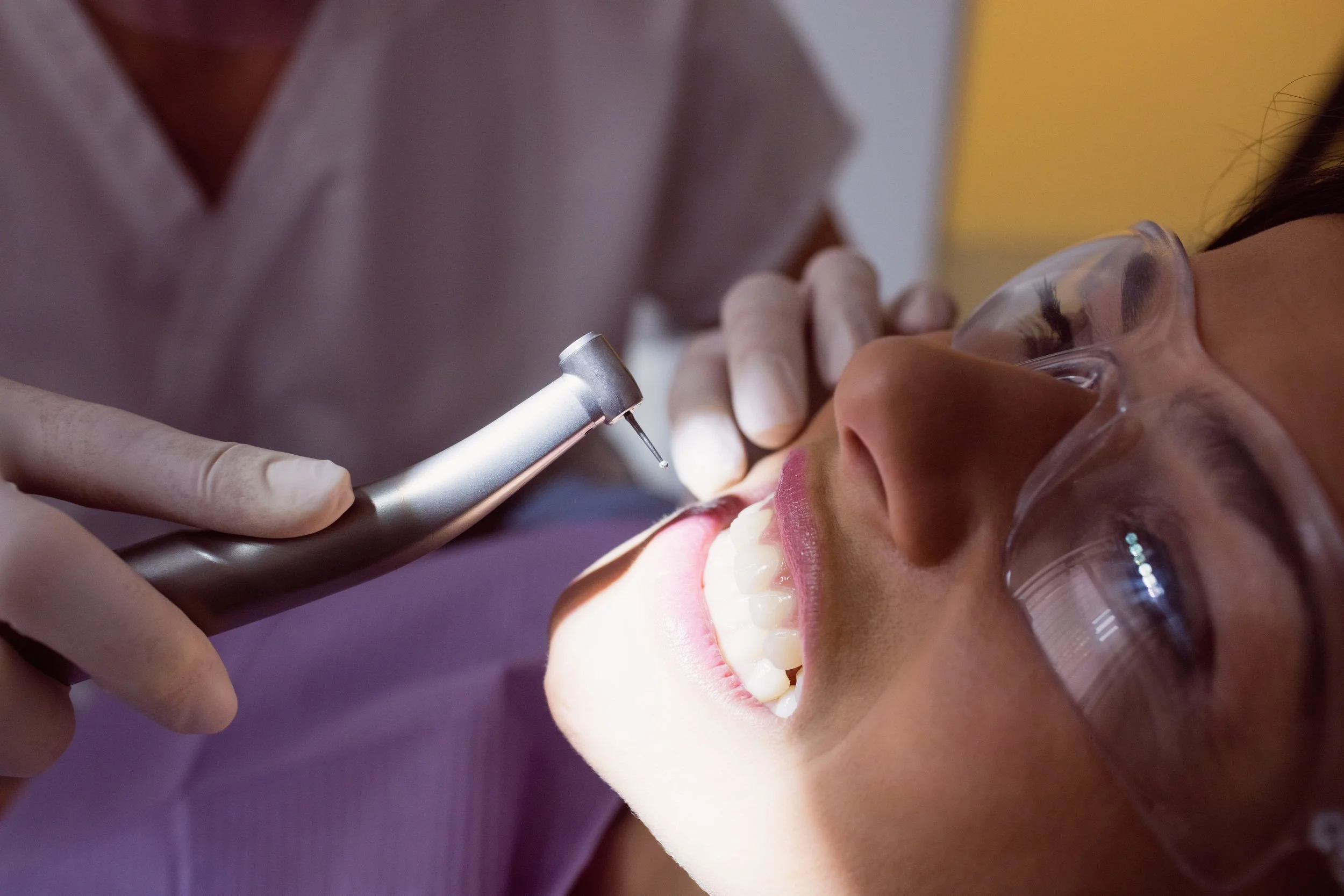
Taking Care of Your Teeth:
Exams, X-Rays, and Fluoride
Keeping your mouth healthy is an important part of staying healthy overall. On this page, we explain what we do during a normal dental checkup at our practice and why these steps are important for you.
What Happens During a Dental Checkup
A dental exam is basically a step-by-step check of your teeth, your gums, and the rest of your mouth. When you come in for a visit, the dentist looks at specific things to see how you are doing.
We check your face and neck area, then look inside your mouth. We look for cavities and check any dental work you already have–like old fillings or crowns–to make sure they are still in good shape.
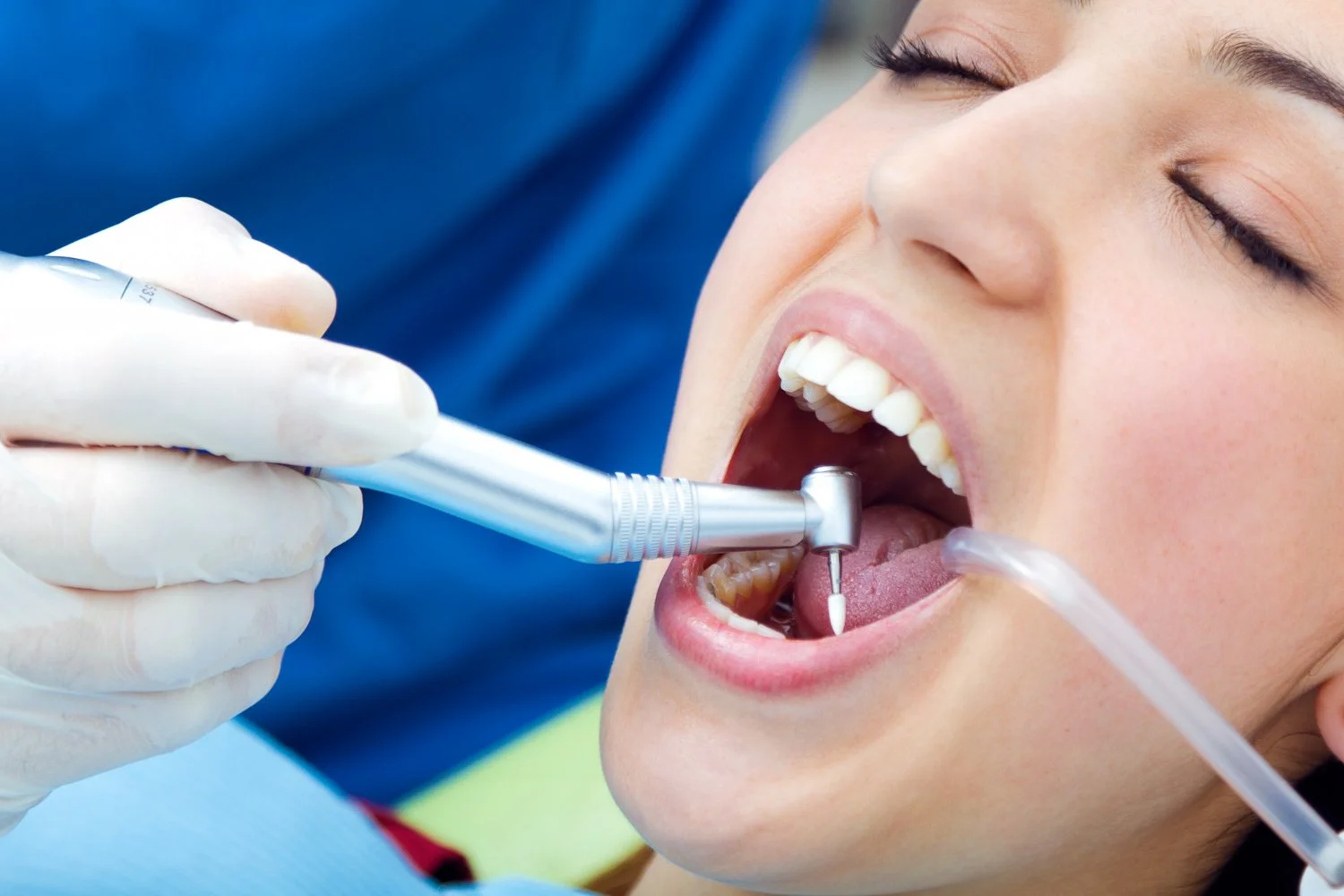
What we check during the visit:
The main goal is to get a clear picture of your mouth. If we find anything that needs fixing, the dentist will talk to you about it in a way that is easy to understand. We will explain what is going on and what your choices are for taking care of it.
How We Use Dental X-Rays
When the dentist looks in your mouth, they can only see the outside of your teeth.
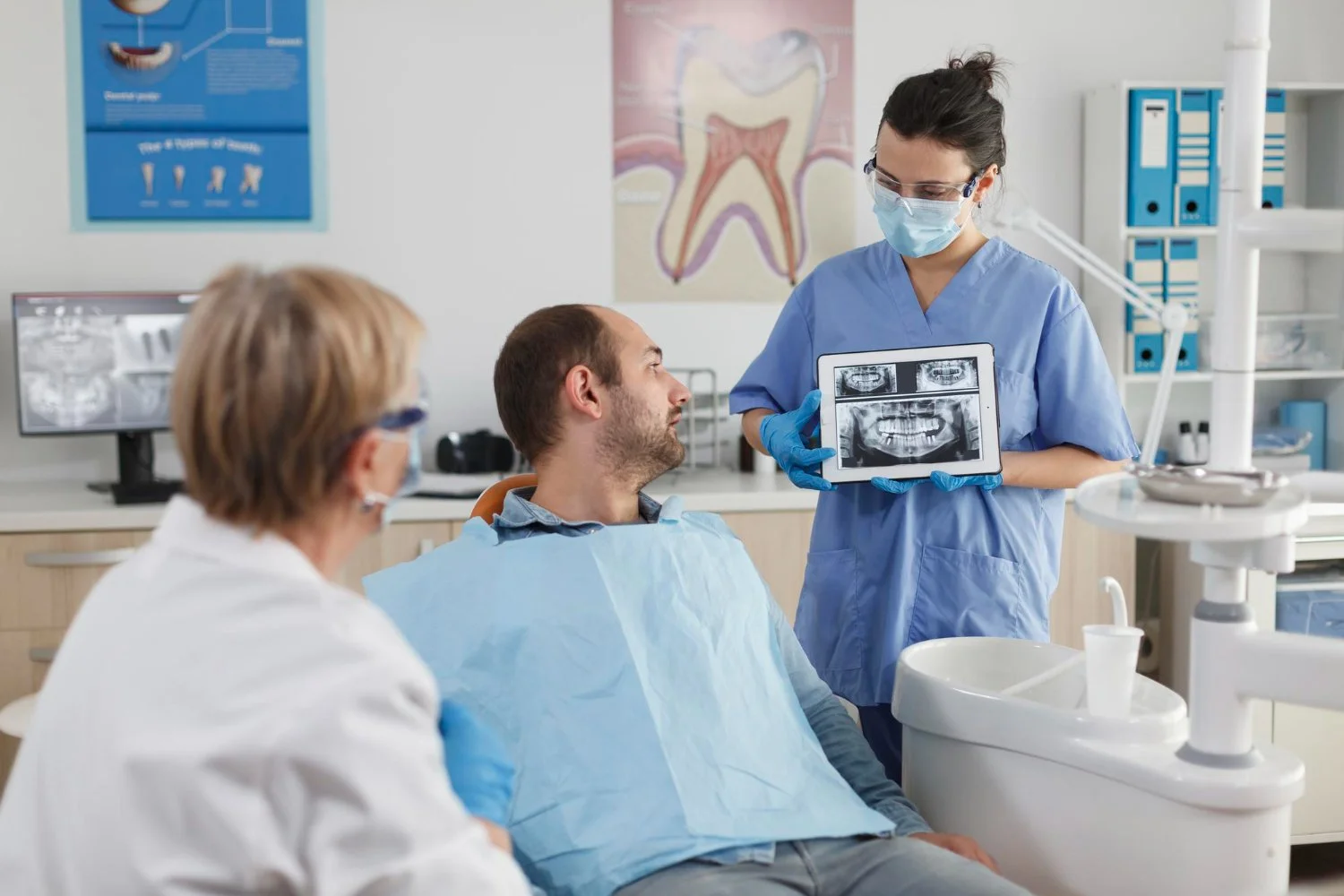
To see what is happening inside your teeth and under your gums, we need to use Dental X-Rays. These images give us a clear view of your tooth roots, your
jawbone, and the tight spots where your teeth touch.
We use high quality digital dental X-rays to find problems that are hidden
from our eyes. This includes things like:
Small cavities starting between two teeth.
Infections that are hidden down at the bottom of a tooth root.
Loss of bone caused by gum disease.
Teeth that haven't come in yet, like wisdom teeth.
Small growths or other issues inside the jawbone.
Our office uses digital X-rays. This way is much faster than the old film way, and it uses a lot less radiation. American Dental Association announced that we no longer need to use a lead apron for dental digital the patients. The images show up right away on a computer screen, so we can look at them together and talk about what they show. We only take x rays when they are really needed, depending on your health and how often you get cavities.
Fluoride Treatments to Protect Your Teeth
Fluoride is a natural mineral that helps make your tooth enamel stronger. Enamel is the hard outer shell of your tooth. It is there to protect the tooth from germs and decay. When you eat food with sugar or starch, the germs in your mouth make acid. This acid can slowly dissolve the minerals that make your enamel hard.
A professional fluoride treatment helps fix this. It puts minerals back into your enamel so it stays tough and can fight off those acid attacks.
A lot of people think fluoride is only for children, but a fluoride treatment is good for adults too. It is very helpful if your gums are starting to recede, if you have a dry mouth, or if you seem to get cavities easily. The treatment is just a liquid or gel that we brush on your teeth. It only takes a minute and it dries almost instantly.
Is fluoride just for kids?
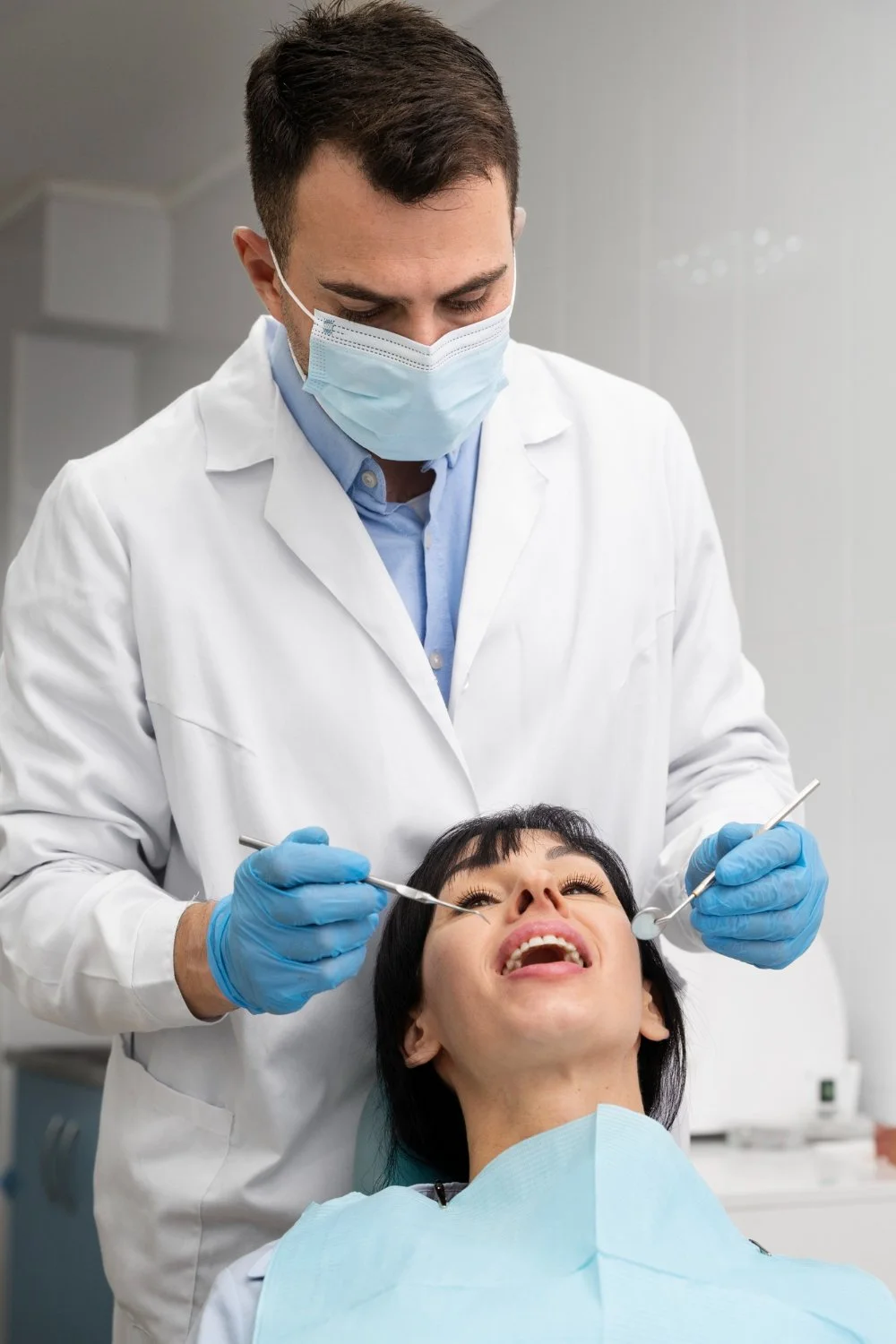
Why It's Smart to Come in Every Six Months
Most dental problems, like cavities or gum disease, don't actually hurt at first. If you wait until a tooth starts to ache before you see a dentist, the problem has usually become much bigger. Big problems are harder to fix and often cost a lot more money.
By coming to see us at Fountainville Family Dentistry every six months for a regular check-up, and a cleaning, we can catch things early. Fixing a tiny spot is much easier than fixing a big hole. This helps you keep your own natural teeth for your whole life and helps you avoid sudden dental emergencies.
Frequently Asked Questions
-
No, not every time. We decide how often to take Dental check up X-Rays based on your age, dental history, current clinical findings. It is not a ‘one-size-fits-all’ approach.
American Dental Association recommends taking check up x rays every 6-12 months for children and teens, 6 -18months for high risk adult patients with previous cavities and gum disease.
If you have a very healthy mouth and don't get cavities often, we might only need them every 24 - 36 months. -
Fluoride treatments are very safe. The liquid we brush on dries very fast. The only thing we usually tell people is to avoid very hot drinks or sticky foods for a few hours. This gives the fluoride enough time to really sink into your teeth and do its job.
-
If we find a cavity during the exam or on your Dental X-Rays, we will show you exactly where it is. We will then talk about a plan to fix it. Usually, this means putting in a simple filling. We like to fix these spots sooner than later, so they don't get any bigger or start to hurt.
-
We check for mouth cancer because it is very important to find it early if it is there. In the beginning, these problems usually don't hurt at all. A screening during your regular visit is the best way to make sure everything is healthy or to find anything that looks different than it should. This is why your dentist touches and presses your cheeks and tongue, and also moves your tongue to see the sides, below and back part of your tongue.
Book an appointment.
Schedule your dental consultation with our experienced team today and take the first step towards optimal oral health. Our dedicated professionals are ready to provide you with personalized, quality care at your convenience.