
Extractions and Bone
Grafts: Maintaining Your Oral Health
At Fountainville Family Dentistry, we always try to save natural teeth when possible. But in some cases, a tooth may be too damaged, infected, or not in the correct position. In these situations, a dental extraction may be necessary to protect the rest of your oral health.
After a tooth is removed, a bone graft may also be suggested. This is usually done if you are planning for a dental implant later. The bone graft helps keep the jawbone strong and healthy.
This process is also called socket preservation. It helps reduce bone loss after a tooth is removed. It also helps maintain the shape and support of the jaw area.
Socket Preservation (Role of Bone Grafting)
After a tooth is removed, the jawbone slowly starts shrinking. This happens because the tooth root is no longer there to support the bone. Over time, the bone can lose height and thickness.
A bone graft may be placed in the socket after extraction. This helps support the jawbone and reduce bone loss.
What is a Bone Graft?
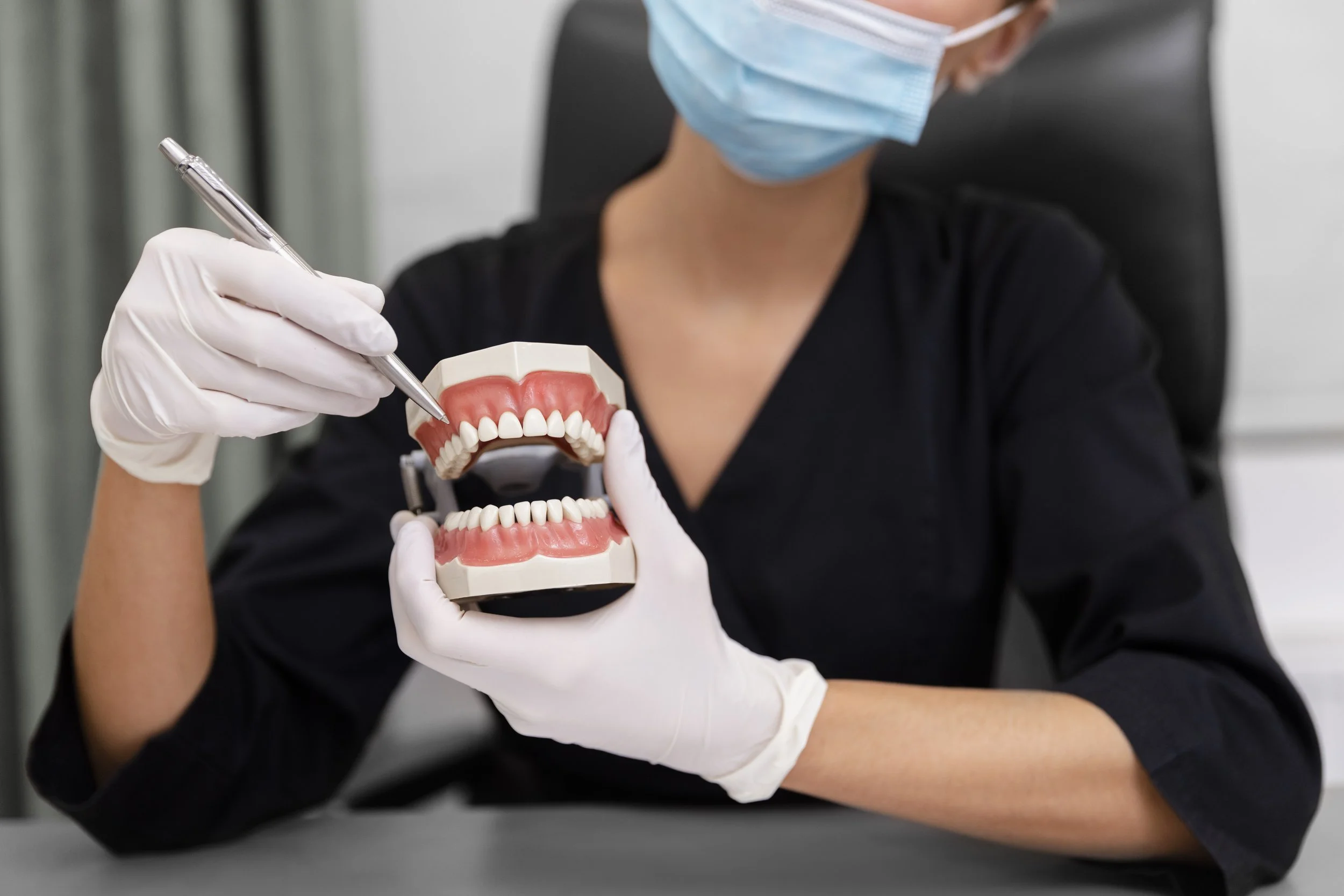
A bone graft is a biocompatible material placed into the empty socket after a tooth extraction. It is usually made from a sterile mineral material. The graft works like a support structure inside the socket.
Clinical Reasons for Dental Extractions
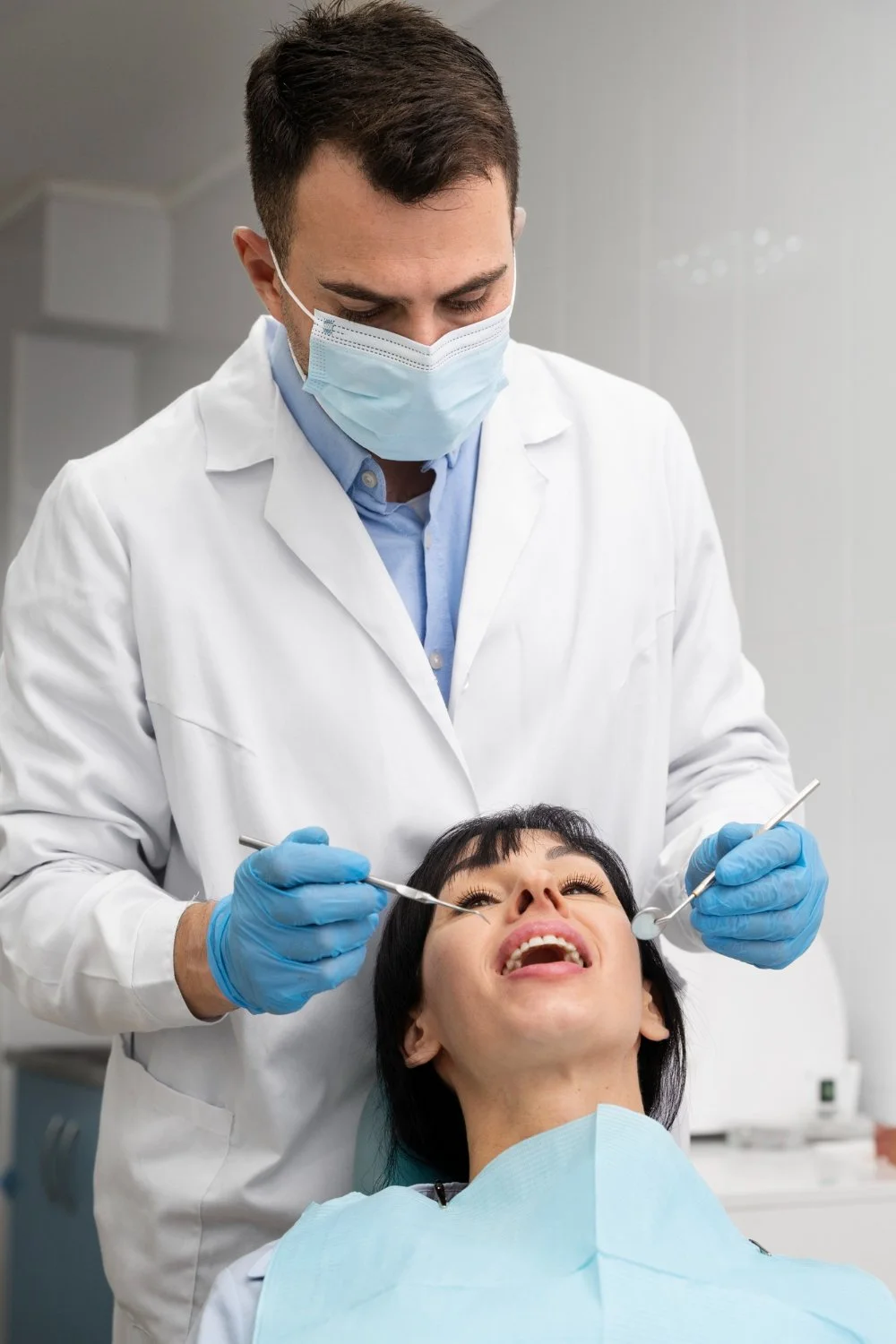
We may recommend an extraction when a tooth can no longer function properly or may harm nearby teeth and bone.
Severe Decay
Sometimes a cavity destroys too much of the tooth. If there is not enough healthy tooth left to support a crown, the tooth may need to be removed. This helps stop the infection from spreading.
Impacted Wisdom Teeth
Wisdom teeth sometimes do not have enough space to grow properly. They can stay trapped in the jaw or gums. This may cause pain, pressure, damage to nearby teeth, or cysts.
Dental Trauma
A tooth with a deep fracture below the gumline or through the root may not be repairable. In these situations, extraction may be the best option.
Advanced Gum Disease
Gum disease can damage the bone and tissues that hold the tooth in place. Over time, the tooth can become loose and may need extraction.
Orthodontic Need
In some cases, teeth are very crowded. One or more teeth may need to be removed to create enough space for alignment treatment.
The Physical Experience: What You Can Expect
Oral surgery can feel stressful for many patients. Our clinical team tries to make the experience more comfortable and clear.
During the Procedure
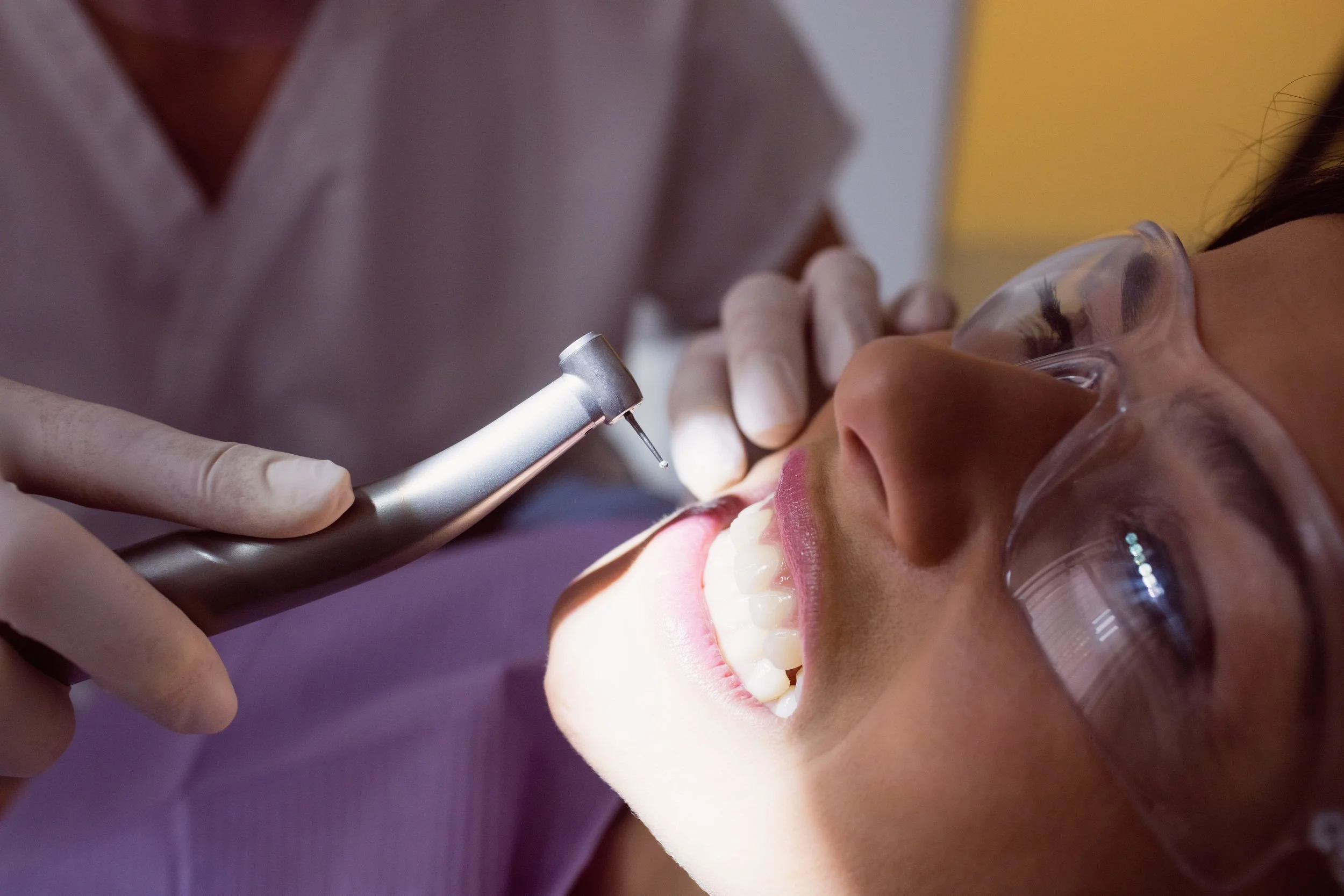
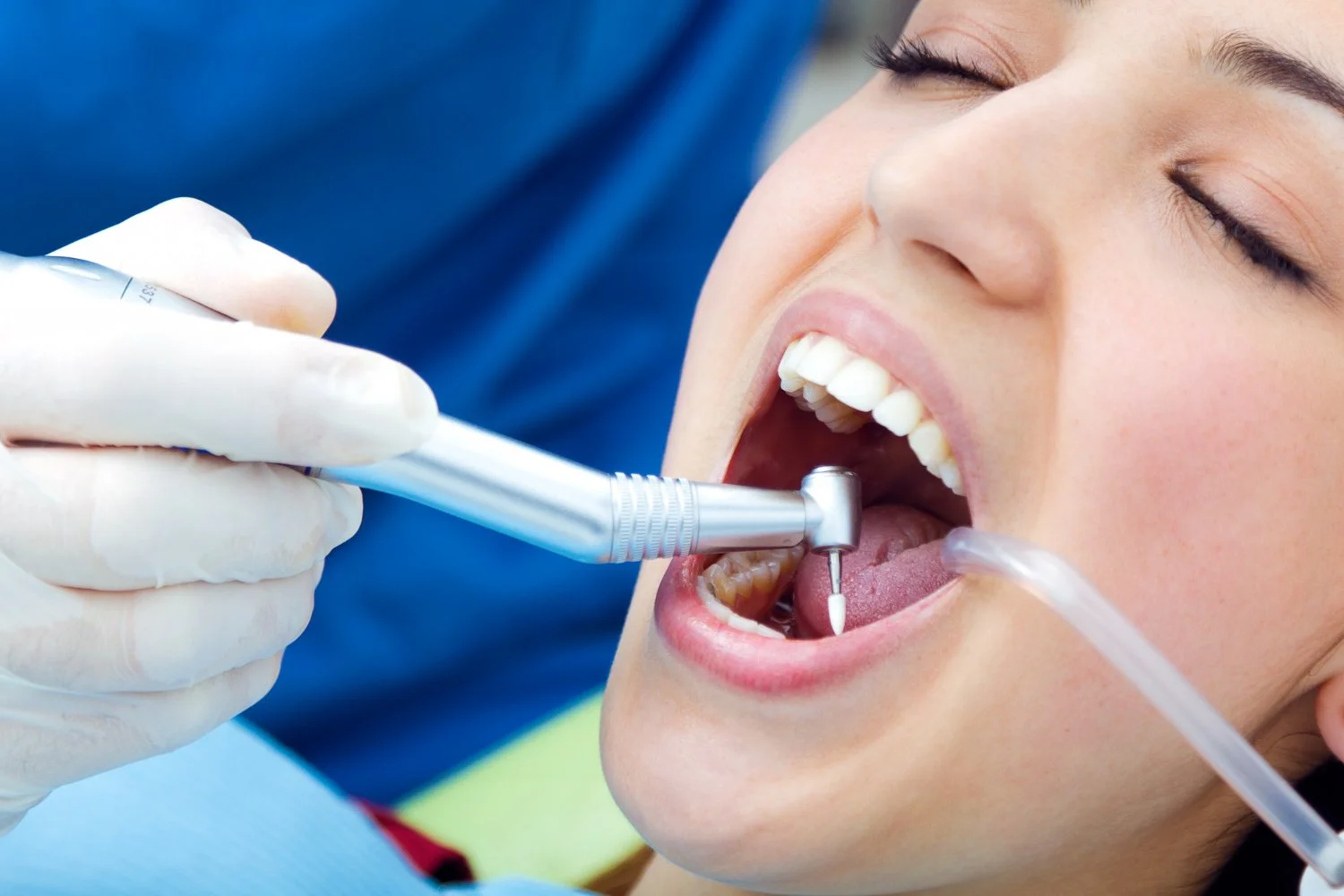
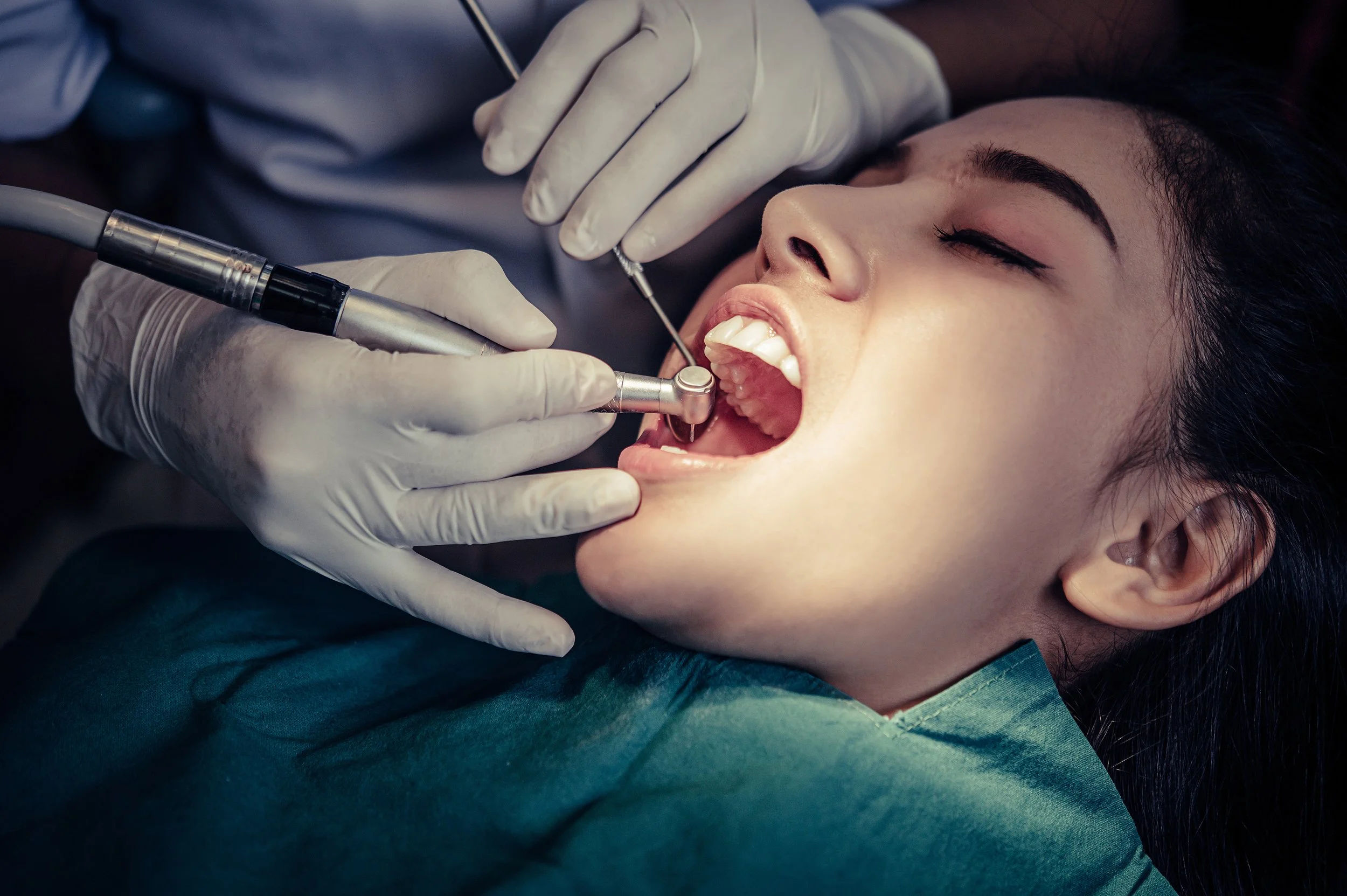
We use local anesthesia to make the area fully numb. During the extraction, you may hear sounds from the dental instruments. You may also feel pressure while the tooth is being removed.
You should not feel sharp pain during the procedure. The anesthesia blocks the pain, but you may still notice movement and pressure as the dentist works.
The Grafting Step
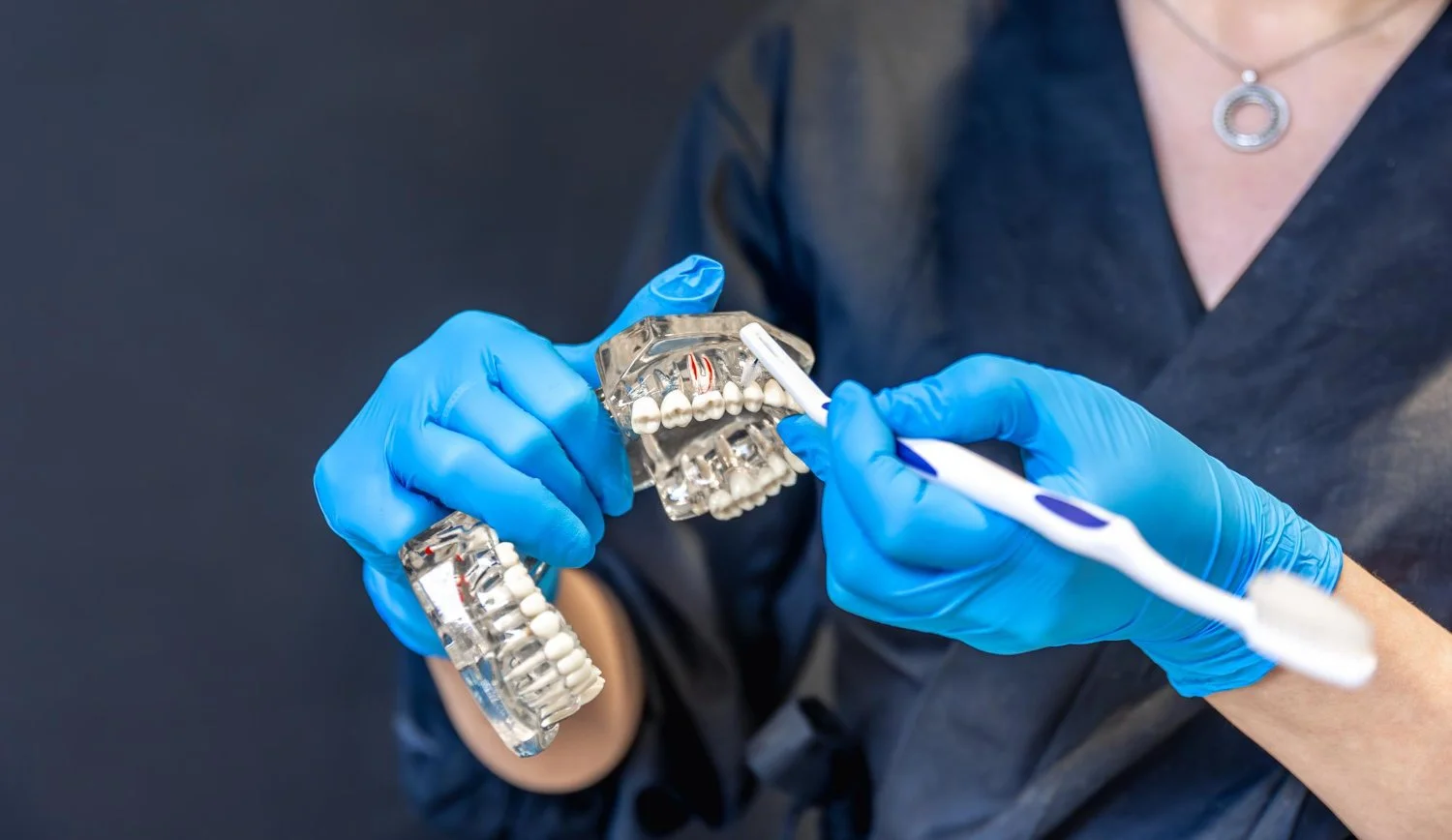
After the tooth is removed, the area is cleaned carefully. Any infected tissue is removed from the socket. The bone graft material is then placed into the empty space. In many cases, a small collagen membrane is placed over the graft. This helps protect the area while healing. Some stitches are also used to keep everything in place during recovery.
How It Works:
Stabilization: The graft fills the empty space left by the tooth root. This helps support the surrounding bone and reduces the chance of the bone collapsing inward.
Regeneration: Over the next few months, the body slowly replaces the graft material with natural bone. This process is called bone regeneration. Your own bone cells grow into the area and form new living bone.
Implant Base: A bone graft helps maintain enough jawbone for a future dental implant. If too much bone is lost, more complex procedures may be needed later to rebuild the area.
Post-Operative Recovery and Healing.
How you care for the area after the procedure is very important. Good aftercare helps the extraction and bone graft heal in a proper way
Formation of Clots A blood clot needs to form inside the socket. This helps protect the bone and graft area. After the procedure, you will be asked to bite on gauze for around 30 to 45 minutes.
Swelling Mild swelling is normal after surgery. This is part of the healing response. An ice pack can be placed on the outside of the face. Use it for 10 minutes on and 10 minutes off during the first 24 hours.
What to Eat Soft foods are recommended for the first few days. Foods like yogurt, mashed potatoes, and protein shakes are easier to manage. Do not drink through a straw. The suction can remove the blood clot and cause a painful condition called dry socket.
Dental Care You can brush the other teeth normally, but avoid the surgical area for the first 24 hours. After that, gentle warm salt water rinses can be used around the area.
Frequently Asked Questions
-
No. The area is numbed with local anesthesia before the procedure. You may feel pressure while the tooth is being removed, but you should not feel pain.
-
A bone graft helps preserve the jawbone after a tooth is removed. Even if you are not planning an implant now, it helps reduce bone loss and keeps the area more stable. It can also help stop nearby teeth from moving into the empty space.
-
The gums usually heal in around two weeks. But the bone healing takes longer. In most cases, the graft slowly turns into natural bone over four to six months.
-
A dry socket happens when the blood clot comes out too early from the extraction site. This leaves the bone exposed and can be painful. It can be treated in the office with a medicated dressing.
-
Yes. Most extractions are done with local anesthesia while you are awake. The area becomes fully numb during the treatment.