
Professional Teeth Whitening: Clinical Stain Oxidation and Enamel Protection
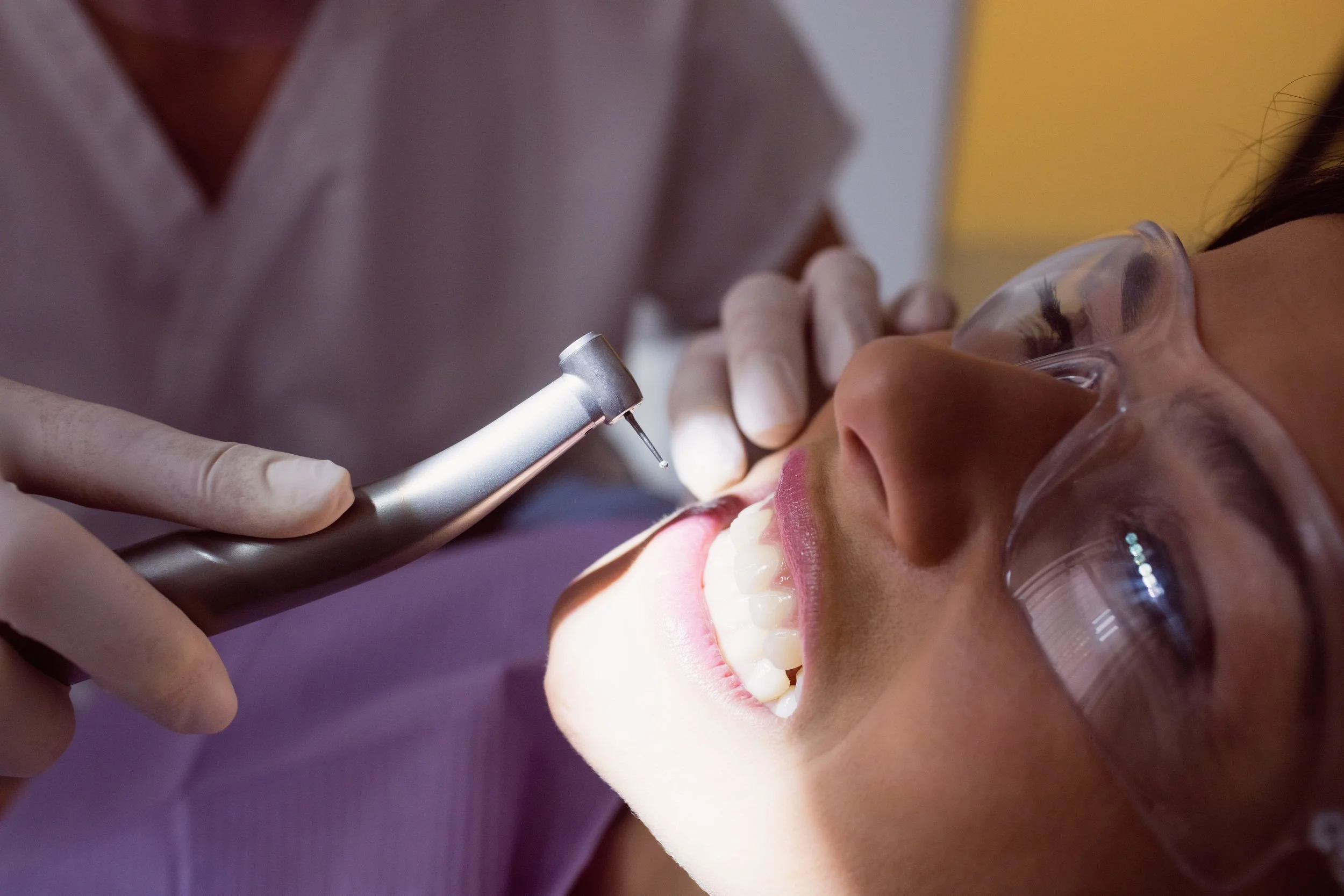
At Fountainville Family Dentistry, professional teeth whitening is a dental treatment used to reduce stains and improve the color of your teeth. The goal is to brighten teeth in a controlled way while helping protect the enamel and surrounding tissues.
Clinical Stain Oxidation and Enamel Protection
Many things can cause teeth to become darker over time, including coffee, tea, tobacco, certain foods, and natural aging. Professional whitening works by breaking down stain particles within the tooth structure.
We use professional whitening materials and monitor the process carefully. This helps provide more predictable results than many over-the-counter products.
Our goal is to improve the appearance of your smile while keeping your teeth and gums healthy throughout the whitening process.
The Biology of Tooth Discoloration
To understand how teeth whitening works, it helps to understand how teeth become stained. A tooth has three main parts. The outer enamel layer, the dentin underneath, and the inner pulp.
Over time, teeth can change color for different reasons. Tooth stains are usually grouped into two types.
Type 1: Surface Stains
Surface stains happen on the outer enamel surface. These stains often come from coffee, tea, red wine, tobacco, and other dark-colored foods or drinks.
The Staining Process
Over time, stain particles attach to the outer surface of the teeth and slowly build up. Some of these stains can move slightly deeper into the enamel.
Clinical Removal
A regular dental cleaning can remove many surface stains. But deeper stains inside the enamel may not come off with cleaning alone.
Type 2: Deep Stains
Deep stains develop inside the tooth structure, usually in the dentin layer.
The Causes
These stains can happen because of certain medications taken during tooth development, too much fluoride during childhood, dental trauma, or natural aging. As enamel becomes thinner with age, the darker dentin underneath may become more visible.
Clinical Removal
Deep stains are usually harder to remove than surface stains. They often do not respond well to regular cleaning or many over-the-counter whitening products. Professional whitening treatment may be needed to improve these deeper stains.
The Chemistry of Teeth Whitening: How It Works
Professional teeth whitening works through a process called oxidation. The whitening materials help break down stain molecules inside the tooth.
Most professional whitening systems use hydrogen peroxide or carbamide peroxide as the active ingredient.
The Oxidation Process
When the whitening gel is placed on the teeth, the peroxide begins to break down. This releases oxygen molecules inside the tooth structure.
Targeting Stains
These oxygen molecules move through the enamel and reach the stain particles that cause discoloration.
Breaking the Stains Apart
The oxygen molecules break the larger stain molecules into smaller pieces. As these stain particles break down, they become less visible. This makes the teeth appear lighter and brighter.
Why Professional Whitening is Different from Over-the-Counter Options
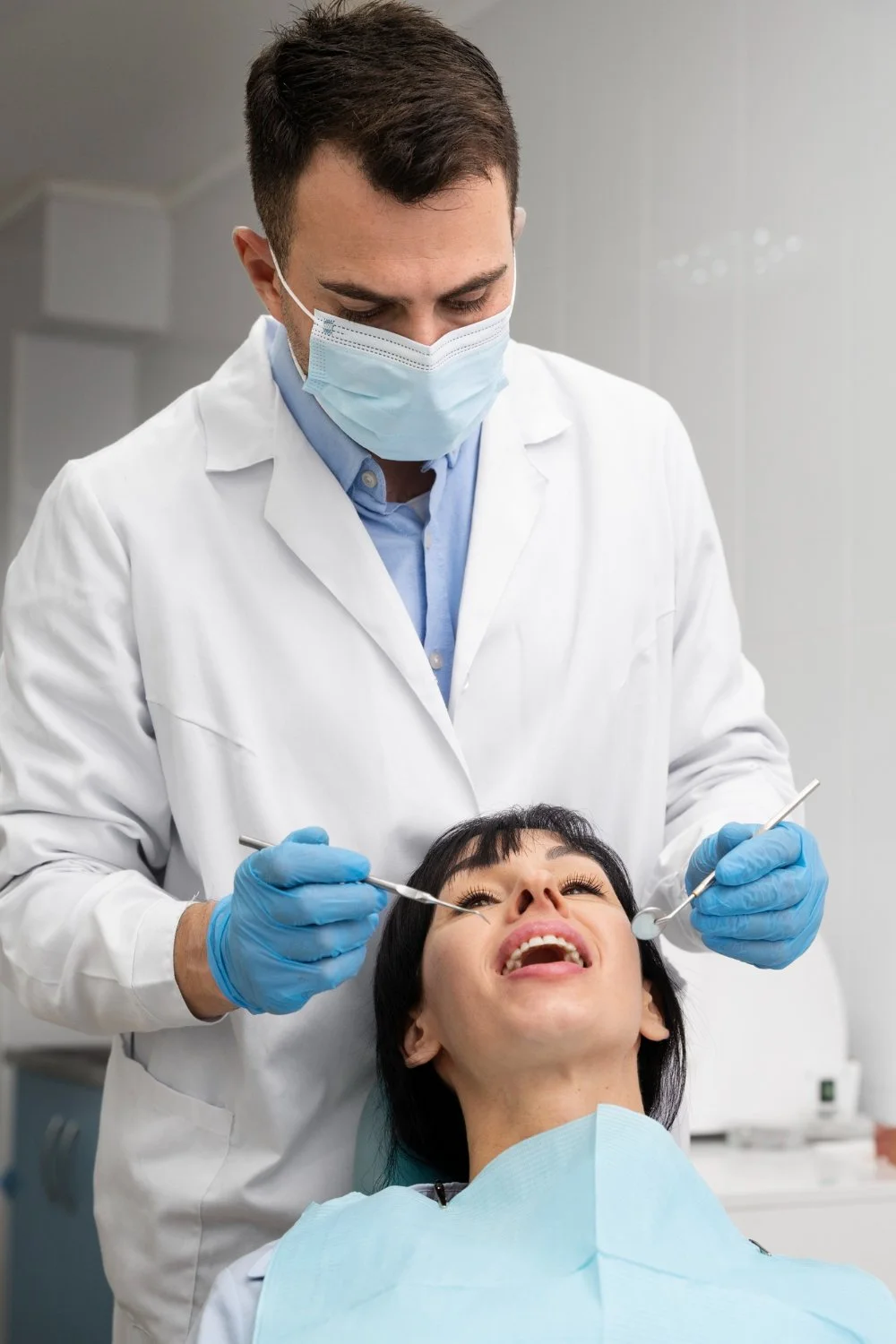
Many whitening products can be purchased without a prescription. While these products may help with some stains, they also have limitations.
Acidic Formulations
Some whitening products may contain ingredients that can be harsh on the teeth when used incorrectly or too often. Professional whitening treatments are selected and monitored to help protect the enamel during the whitening process.
Saliva and Product Performance
Whitening products can become less effective if they move around or become diluted in the mouth. Professional systems are designed to keep the whitening material in better contact with the teeth.
Gum Protection
Store-bought trays and strips may not fit properly. This can allow whitening gel to come into contact with the gums and cause irritation. Professional whitening is designed to reduce contact between the whitening material and the soft tissues.
Professional Evaluation
Before whitening treatment, we examine the teeth and gums to make sure the mouth is healthy. Untreated cavities, broken teeth, or active gum disease should be addressed before whitening begins.
Our Professional Whitening Options
At Fountainville Family Dentistry, we offer two professional whitening options. Both are designed to improve the color of your teeth while helping protect your teeth and gums.
1. In-Office Whitening
In-office whitening is completed at the dental office and usually takes about 70 to 90 minutes.
The Process
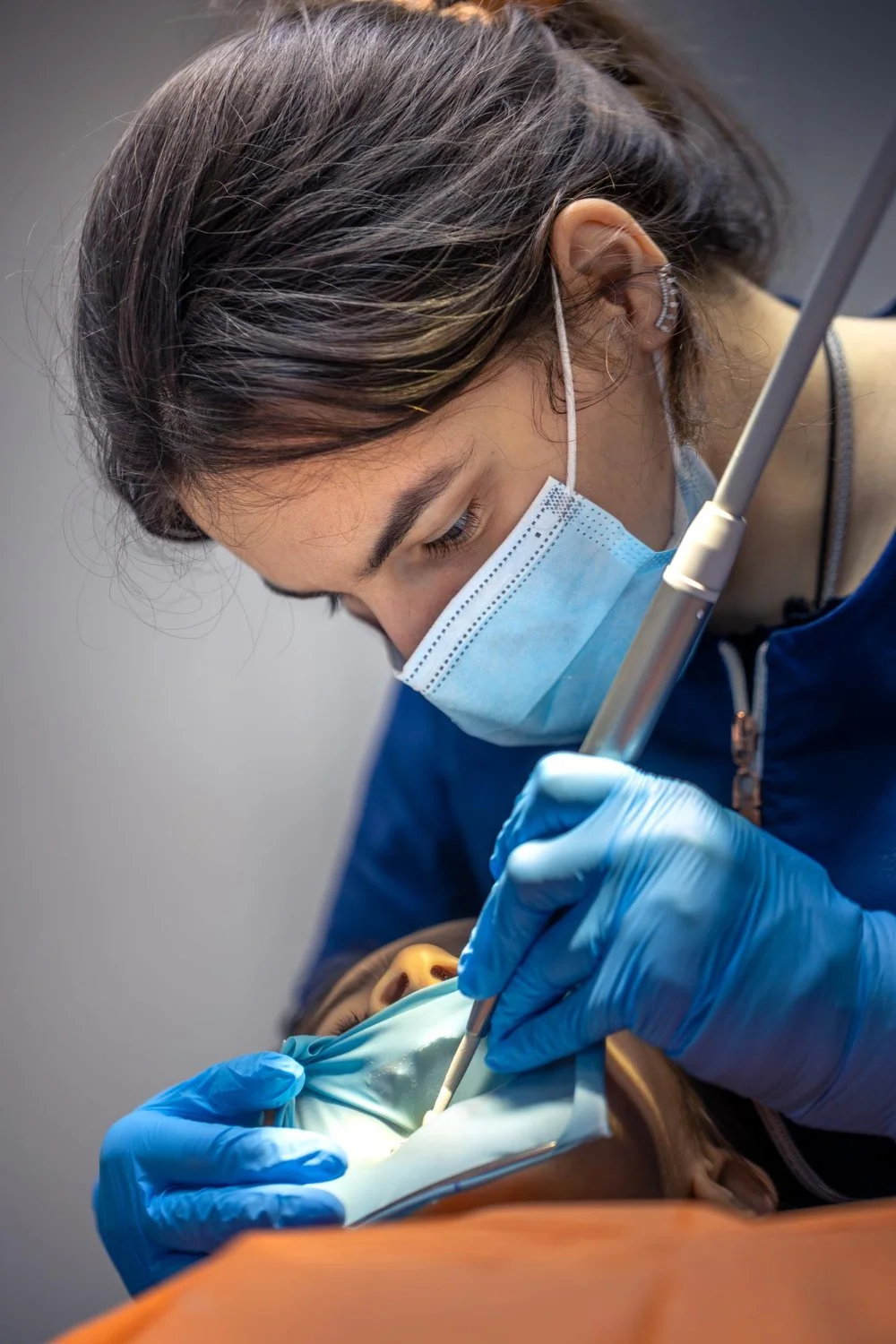
First, the gums are protected with a special barrier material. The whitening gel is then carefully applied to the teeth.
The Sensation
Some patients notice mild sensitivity or brief "zingers" during treatment. These sensations are usually temporary and are monitored throughout the appointment.
Results
The whitening gel is applied in several treatment cycles during the visit. Many patients notice a brighter smile after just one appointment.
2. Custom Take-Home Whitening System
This option allows patients to whiten their teeth gradually at home.
Digital Intraoral Scanning
We use a digital scanner to create a 3D model of your teeth. This replaces traditional impression materials.
Custom Trays
Based on the digital scan, custom trays are made to fit your teeth closely. The trays help keep the whitening gel against the teeth and away from the gums.
Gradual Whitening
The trays are worn with professional whitening gel for a short period each day, usually for about two weeks. This allows you to whiten your teeth gradually and monitor your progress.
Frequently Asked Questions
-
No. Professional teeth whitening is considered safe when performed under dental supervision. The whitening materials are designed to remove stains without damaging healthy enamel when used correctly.
-
Results vary from person to person. In many cases, whitening results can last from one to three years. Habits such as drinking coffee, tea, red wine, or using tobacco can affect how long the results last.
-
No. Whitening products only change the color of natural teeth. Crowns, veneers, fillings, and bonding materials will not become lighter during whitening treatment.
-
"Zingers" are short, sharp feelings of sensitivity that some patients experience during or after whitening. They are usually temporary and often improve within a day or two.
-
The best whitening schedule depends on your oral health and whitening goals. Some patients choose professional whitening once a year with occasional touch-ups. Our dental team can recommend a plan that is appropriate for your teeth and sensitivity level.