
Deep Cleaning Scaling and Root Planing For Gum Disease
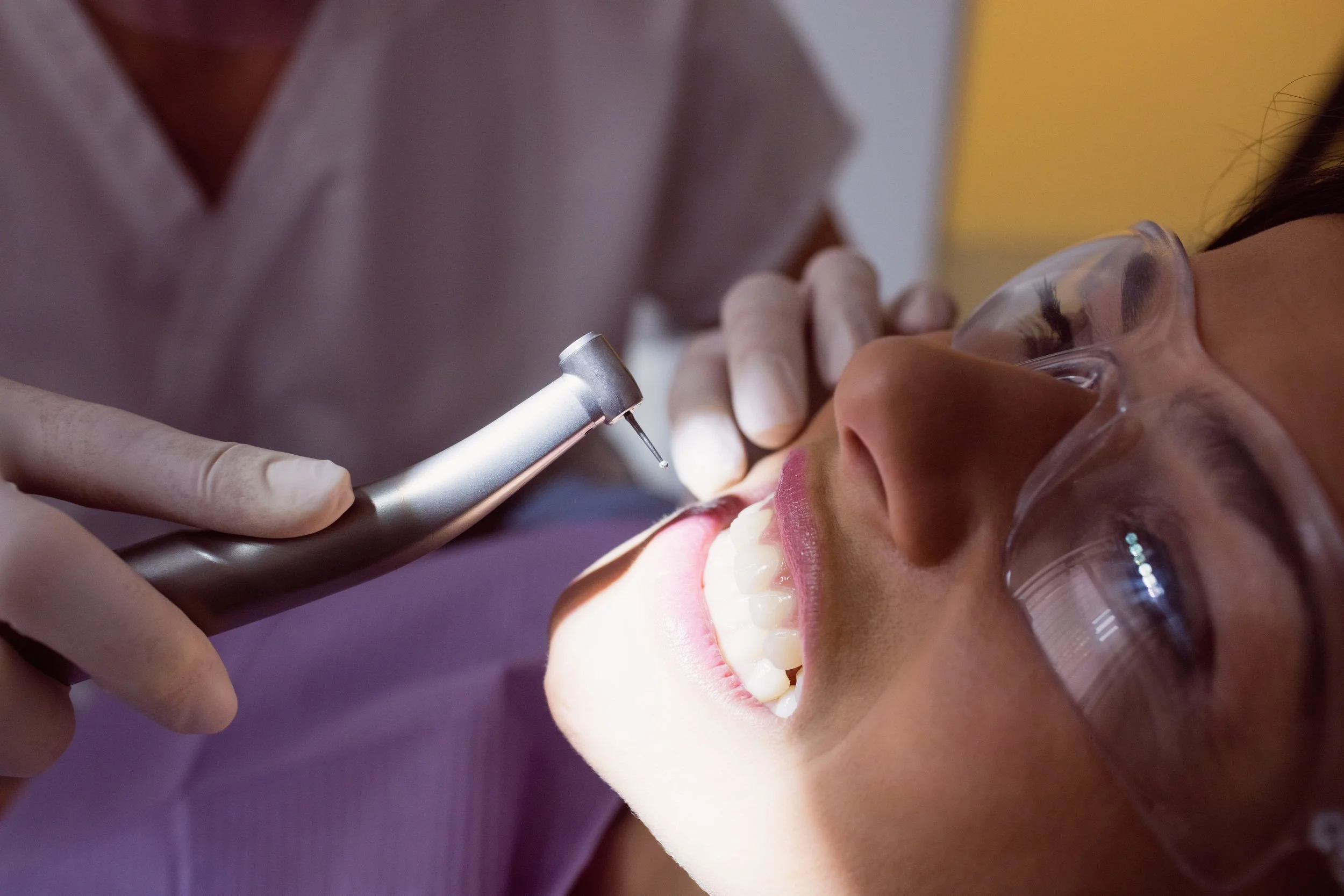
The team at Fountainville Family Dentistry understands how important the health of the structures supporting your teeth is. While a routine cleaning focuses on the visible surfaces of your teeth, Scaling and Root Planing (SRP)–often called a “deep cleaning”– is a clinically proven treatment for periodontal (gum) disease. This non-surgical procedure works below the gumline to remove plaque and calculus (tartar) buildup. This procedure also removes bacteria and infected tissue that cannot be addressed with regular brushing or standard cleanings.
Understanding Periodontal Disease
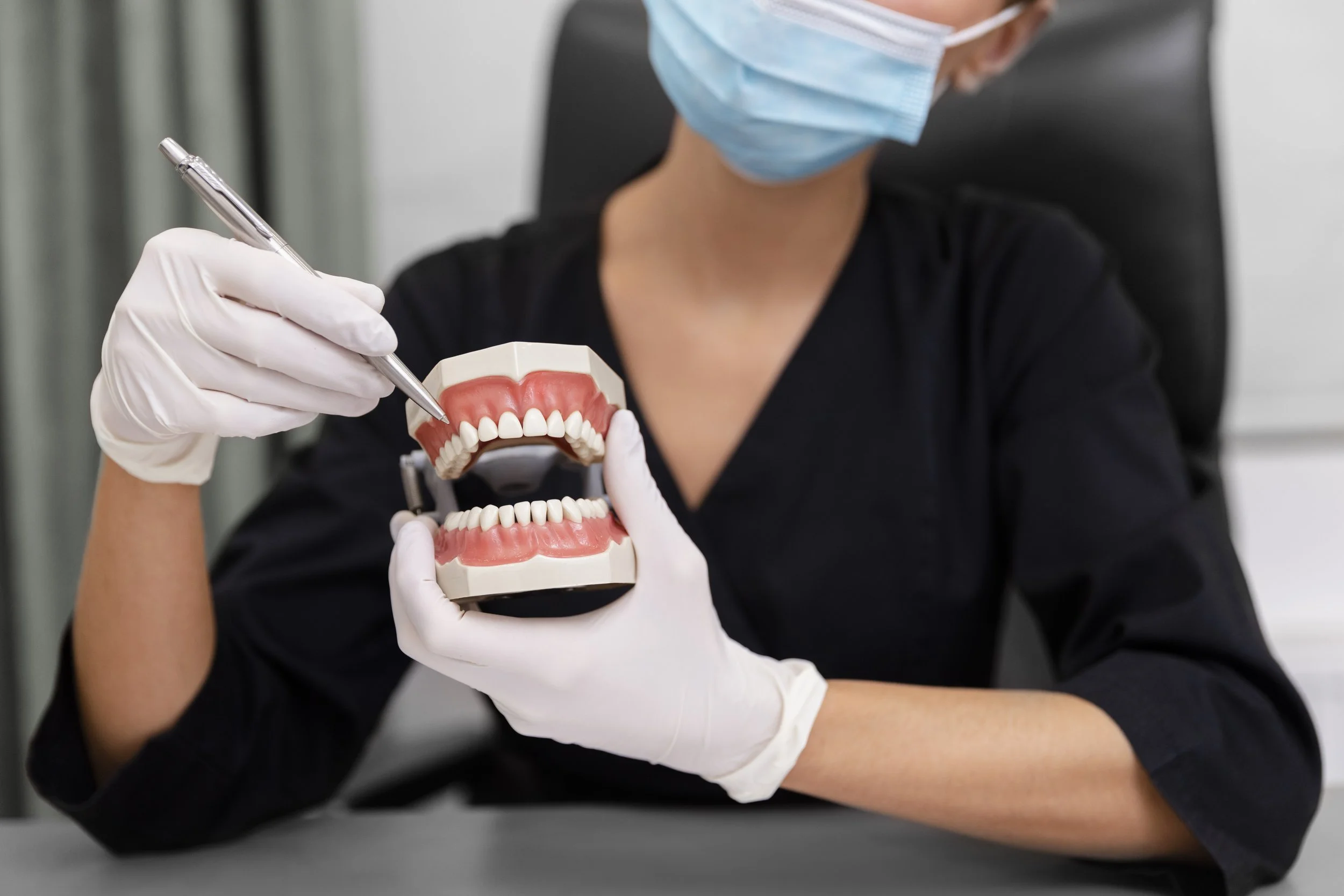
Gum disease can develop quietly. Early signs(gingivitis) may include bleeding when you brush and floss or redness in the gums. When bacteria move below the gum line, they form hardened deposits known as tartar, which irritate the tissue and cause the gums to pull away from the teeth. This creates pockets that trap more bacteria and, over time, can lead to bone loss and tooth instability.
Scaling and Root planing is considered the “gold standard” treatment for stopping the progression of gum disease and helping gum tissue reattach to the tooth roots.
When Do We Recommend a Deep Cleaning?
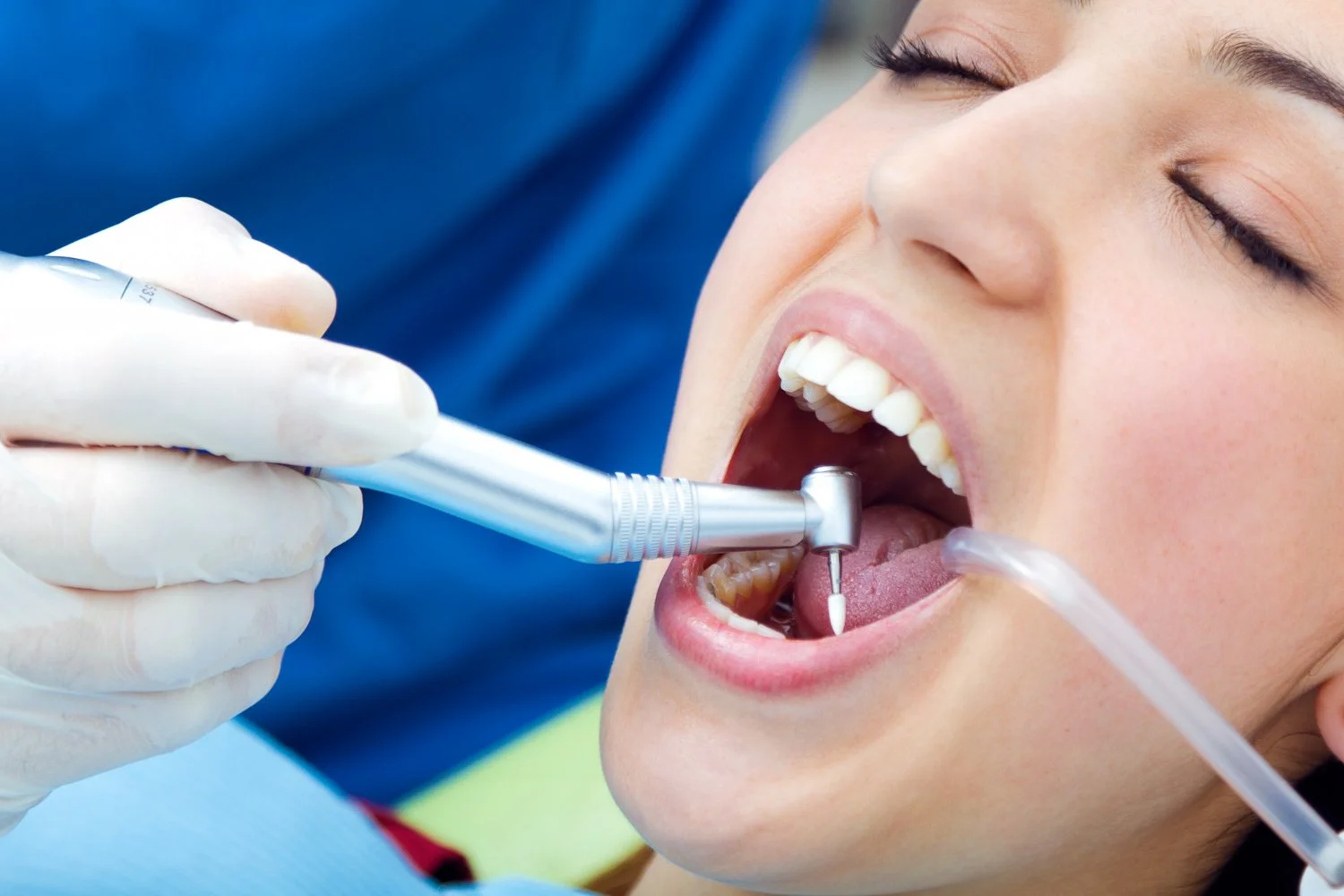
We only recommend a deep cleaning when there is a clear clinical need. During your exam, we use several diagnostic tools to determine whether SRP is appropriate:
The Scaling and Root Planing Process
A deep cleaning is more thorough than a regular dental cleaning and is usually completed in sections (quadrants) of the mouth. This approach allows us to clean below the gumline effectively while keeping you comfortable throughout the process.
Local Anesthesia and Comfort
A local anesthetic is typically used to numb the area, since treatment is performed below the gumline. You may feel slight pressure or hear the instruments, but the procedure is designed to be as comfortable and pain-free as possible.

Step 1: Scaling
Scaling is the first stage, where plaque, tartar, and bacterial toxins are carefully removed from the tooth surfaces and from the pockets beneath the gums.
The Technique: Your hygienist uses both hand instruments and ultrasonic scalers. Ultrasonic tools vibrate at a high frequency and use a gentle water spray to break apart hardened tartar efficiently.
Goal: To leave both the teeth and root surfaces clean and free of irritants.
Step 2: Root Planing
After scaling, root planing smooths the root surfaces to remove any remaining rough areas where bacteria can attach.
The Method: The hygienist gently removes a thin layer of the root surface where bacteria have adhered.
Purpose: Smoother root surfaces make it harder for bacteria to stick again and allow the gum tissue to heal and reattach more effectively to the tooth.
The Importance of Periodontal Maintenance
After a deep cleaning, your care routine changes. Because the bacteria that cause gum disease are persistent, it’s not always possible to return to standard six-month cleanings–even when symptoms improve. Bacteria can reaccumulate quickly if not monitored closely.
The American Dental Association (ADA) recommends that patients who have undergone Scaling and Root Planing transition to periodontal maintenance visits, typically every three to four months.
Why every three months?
Studies show that harmful bacteria can return to destructive levels within 90 to 120 days. Regular maintenance visits help control this buildup and reduce the risk of the disease returning.
Tracking Your Progress
At each visit, we re-measure your gum pocket depths to monitor healing and ensure no new areas of infection develop.
Frequently Asked Questions
-
Yes. A regular cleaning (prophylaxis) focuses on removing plaque and debris above the gumline. A deep cleaning (SRP) treats gum disease below the gumline.
-
It’s typically painless with local anesthesia. You may feel mild pressure during treatment. Afterward, some tenderness or sensitivity for a few days is normal.
-
SRP is more detailed than a routine cleaning. Usually, half of the mouth is treated per visit, taking about 60–90 minutes.
-
You may notice minor bleeding at first. A soft-bristled toothbrush and warm salt water rinses help. As healing progresses, your gums may appear tighter - this is a healthy sign.
-
No. A standard cleaning won’t address bacteria deep in the gum pockets. According to the American Dental Association, the infection must be treated first.
-
Not always. With proper maintenance and home care, many patients avoid repeat treatment. But if maintenance is skipped, additional care may be needed.
Book an appointment.
Schedule your dental consultation with our experienced team today and take the first step towards optimal oral health. Our dedicated professionals are ready to provide you with personalized, quality care at your convenience.