
Routine dental cleaning (Prophy)
Proper cleaning of your teeth and gums helps keep both your mouth and body healthy. At Fountainville Family Dentistry, we offer professional dental cleaning–also known as prophylaxis or a ‘prophy’. It is a routine preventive treatment that is designed to prevent oral disease and tooth decay, helping you maintain healthy, natural teeth for life.
Here’s what happens during a cleaning procedure at our practice, why professional care is essential regardless of how rigorous your at-home routine is, and how we follow contemporary clinical standards to ensure your safety and well-being.
What is a Prophylaxis or a Professional Dental Cleaning?
Prophylaxis is a fancy word meaning prevention. This cleaning helps prevent the two most common oral diseases-cavities (caries) and periodontitis (gum disease).
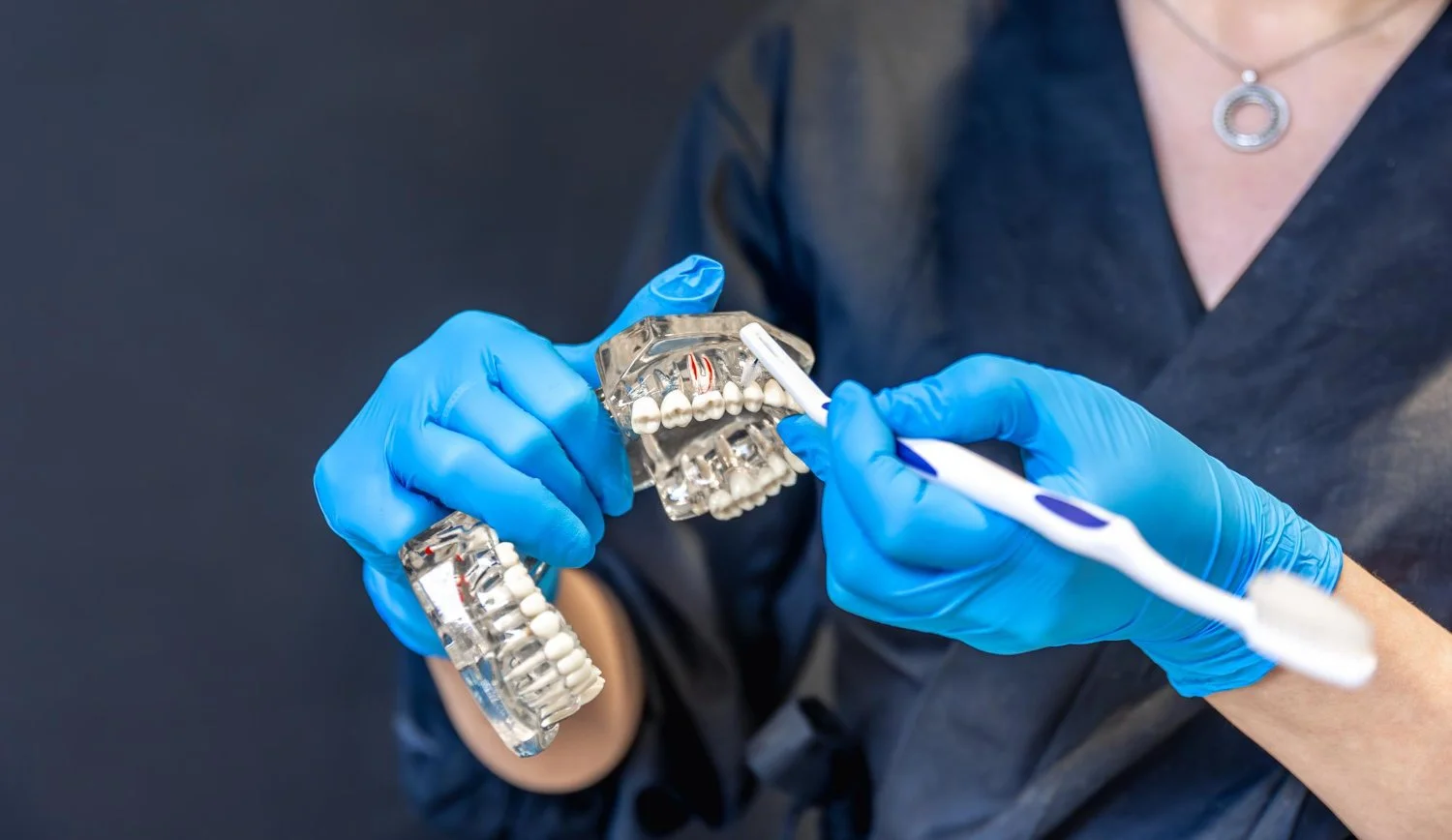
Even if you brush twice a day and floss your teeth regularly, some areas are still difficult to clean with standard tools. If soft plaque is left undisturbed for too long, it can harden into a substance known as calculus, or tartar. Once tartar forms, it cannot be removed with a toothbrush or floss and requires specialized instruments and the expertise of a dental hygienist.

What Happens During Each Cleaning Visit?
The Clinical Assessment
Before your cleaning begins, we perform a targeted oral health assessment. This is typically done alongside a comprehensive dental examination to evaluate your overall oral condition.
- Checking for Signs of Inflammation: Redness, swelling, or bleeding in the gum tissue can be early indicators of gingivitis.
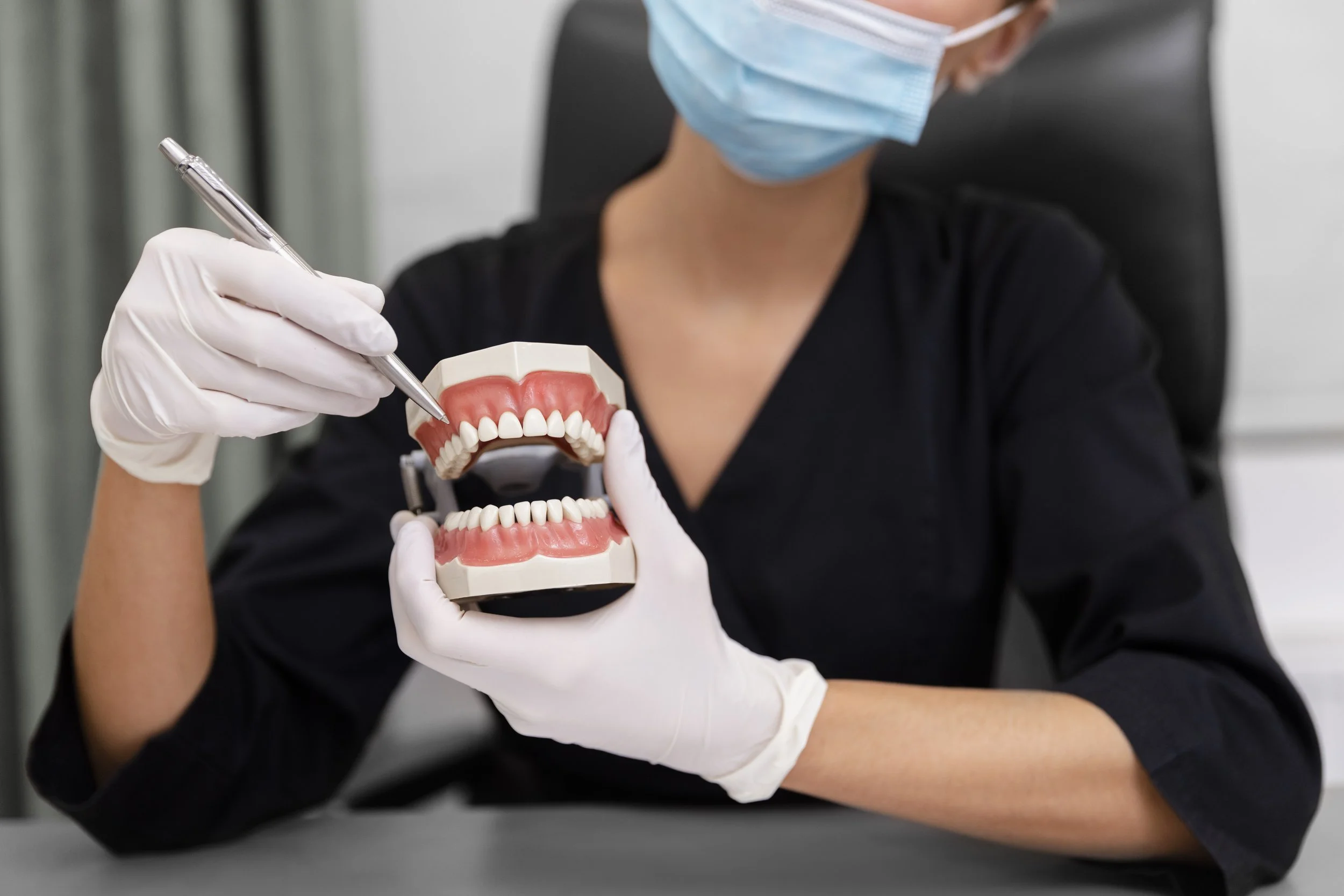
- Identifying Buildup: Using a small dental mirror, we examine areas behind the teeth and along the gumline to locate plaque and tartar accumulation.
- Reviewing Your Clinical History: Your dentist will discuss any updates to your medical history since your last visit.
Scaling: Removing Plaque and Tartar
Scaling is a key part of the cleaning process. Our hygienists use specialized instruments to carefully remove plaque and tartar from the tooth surfaces and slightly below the gumline.
- What You May Notice: You might hear a light scraping sound or feel slight pressure. This is normal and occurs as hardened tartar is gently removed from the enamel.
- Precision Cleaning: We focus on hard-to-reach areas between teeth and around existing dental work—such as crowns, fillings, or bridges—to ensure a thorough clean and reduce bacterial buildup.
Professional Polishing
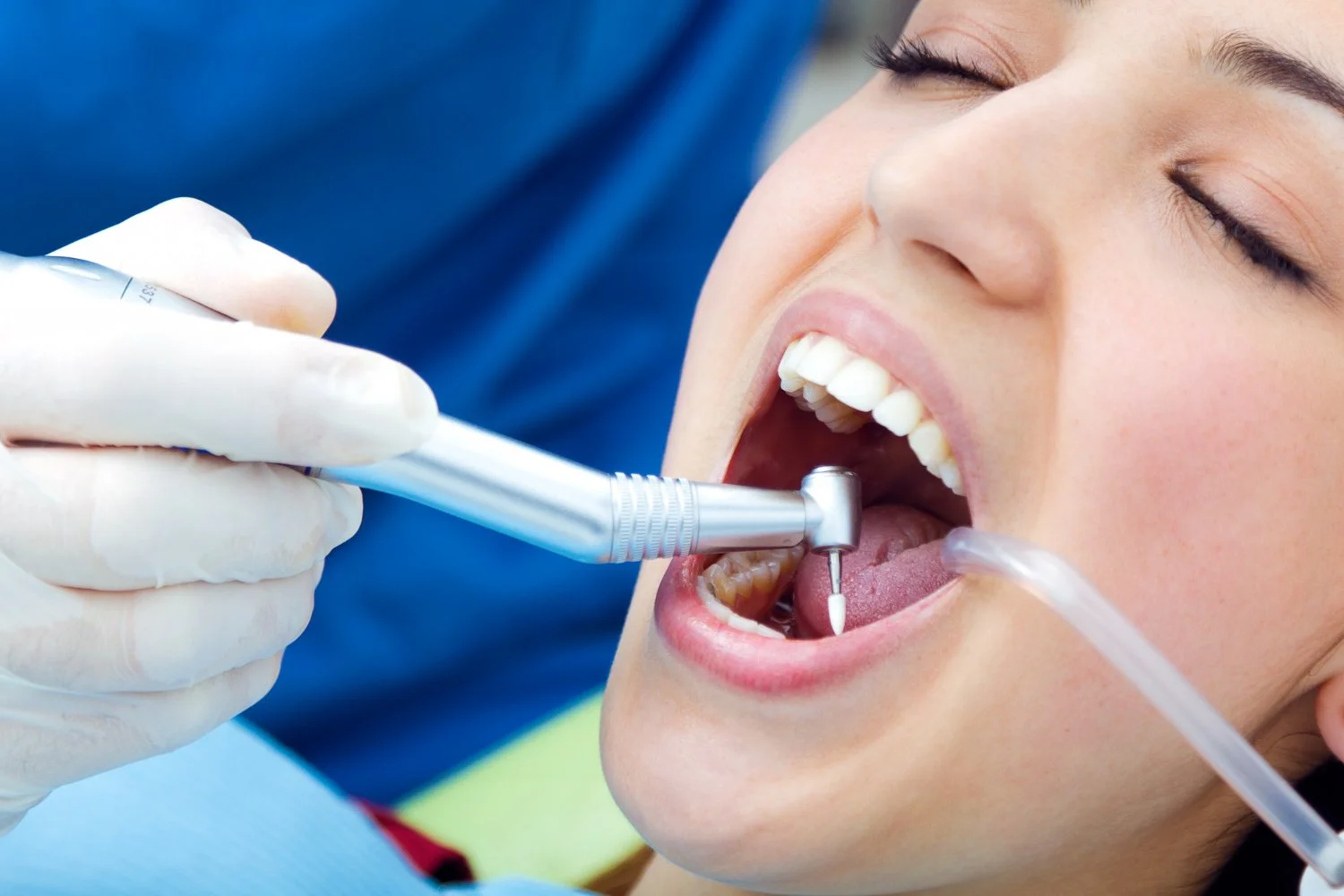
Once tartar has been removed, we use a motorized handpiece with a soft rubber cup and a specialized prophylaxis paste to polish your teeth.
- Removing Surface Stains: This helps lift stains from coffee, tea, and food that have built up on the surface of your teeth, restoring their natural brightness.
- Smoothing the Enamel: Polishing creates a smooth tooth surface, which helps reduce the likelihood of plaque sticking to the teeth in the future.
We keep you informed at every step and prioritize your comfort throughout the process. Using a gentle, systematic approach, our dental hygiene treatment provides an efficient and thorough cleaning performed by our experienced hygienists.
Professional Cleanings Are Essential for Your Health :
Your oral health is closely connected to your overall health. Regular professional cleanings help reduce the risk of systemic issues and support your body’s well-being.
When Should You Have a Dental Cleaning?
At Fountainville Family Dentistry, we don’t follow a one-size-fits-all schedule. According to guidelines from the American Dental Association (ADA), the frequency of cleanings should be based on your individual risk factors–and that’s exactly how we approach your care.
Low-Risk Patients: Patients with healthy gums and no history of tooth decay typically benefit from a cleaning every six months.
High-Risk Patients: Those with a history of periodontitis, tobacco use, or conditions such as diabetes may need cleanings every three to four months to better control bacterial buildup.
Customized Approach: Your dentist and hygienist will evaluate your oral health and recommend a cleaning schedule tailored to your specific needs.
Frequently Asked Questions
-
For most people, dental cleaning is a quick and painless procedure. You may feel slight pressure or vibrations during the process. If your gums are inflamed due to gum disease, you might experience some sensitivity. Let us know if you feel discomfort-we can adjust our technique or use a topical numbing gel to keep you comfortable.
-
Bleeding during or after a cleaning is often a sign of inflammation. This usually occurs when plaque and bacteria have irritated the gumline over time. Once these irritants are removed and you maintain good oral hygiene at home, the bleeding typically improves within a few days.
-
Yes, in most cases you can eat right away. However, if a fluoride treatment was applied, we recommend waiting at least 30 minutes before eating or drinking. It’s also best to avoid strongly staining foods and drinks like coffee, red wine, or berries–for a few hours after polishing.
-
Both can be effective when used properly. However, studies show that electric toothbrushes tend to remove more plaque and reduce gingivitis more effectively. Regardless of which you use, our team can guide you on proper technique.
-
A “prophy” (prophylaxis) is a routine preventive cleaning for patients with healthy gums. A deep cleaning-also known as scaling and root planing is a treatment for patients with gum disease (periodontitis). If we detect deep gum pockets or bone loss, we may recommend a deep cleaning to prevent further damage.
Book an appointment.
Schedule your dental consultation with our experienced team today and take the first step towards optimal oral health. Our dedicated professionals are ready to provide you with personalized, quality care at your convenience.