
Gum Surgery: Rebuilding Your
Smile Support System
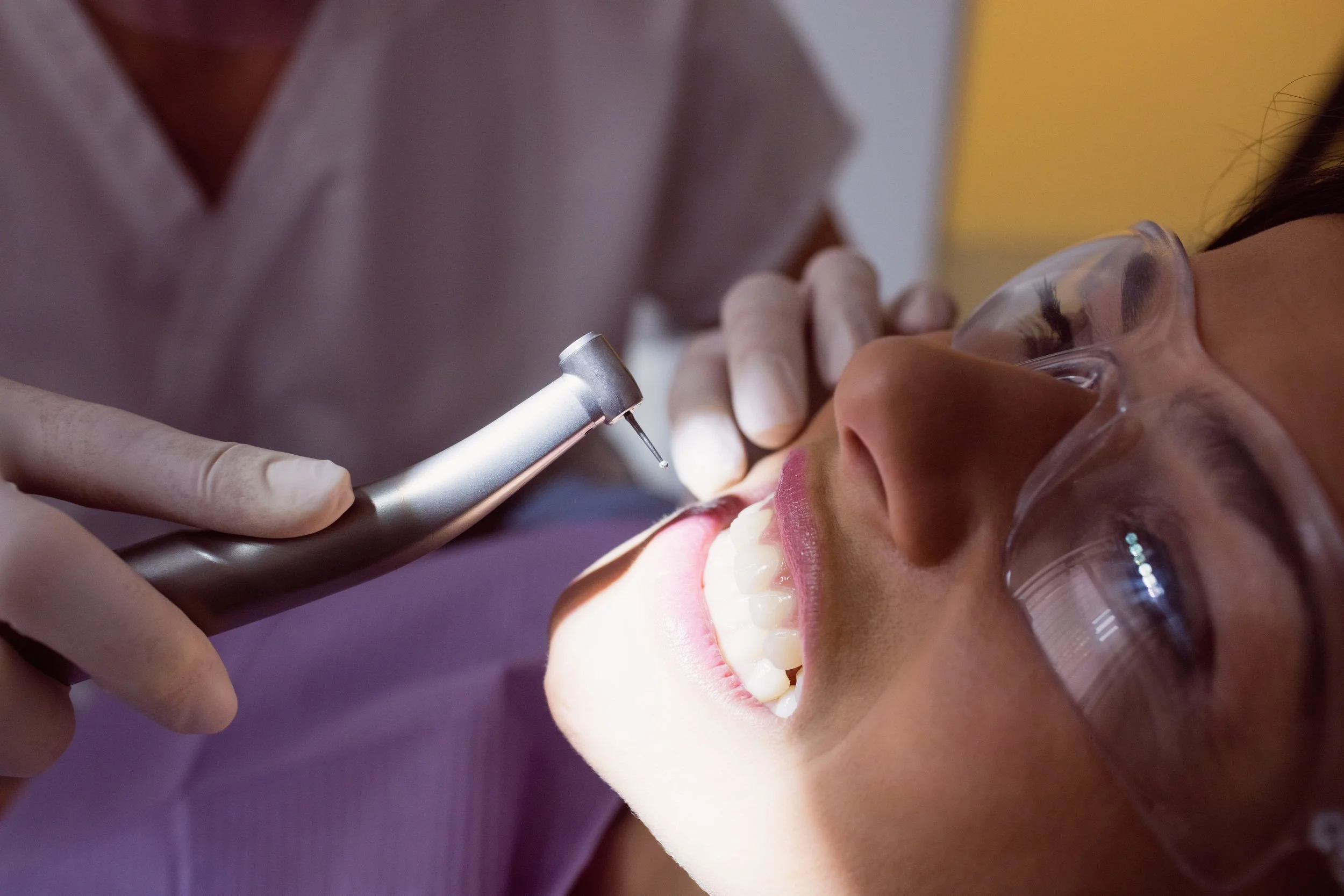
At Fountainville Family Dentistry, we understand that healthy teeth depend on strong gums and stable bone support. The gums and jawbone act as the foundation that holds teeth firmly in place.
When gum disease becomes advanced, routine cleanings and non-surgical treatments may no longer be enough. In such cases, gum surgery may be recommended.
Gum surgery helps treat deep infections under the gums, severe gum recession, or excess gum tissue. The main goal is to protect natural teeth and improve long-term oral health.
Clinical Indicators: When You May Need Gum Surgery
Early gum disease and mild periodontitis can often be treated with non-surgical cleaning methods like Scaling and Root Planing (SRP). But when the infection goes deeper into the gums and supporting tissues, regular cleaning may not reach the problem area anymore.
In these situations, gum surgery may be recommended after a clinical exam.
Deep Gum Pockets
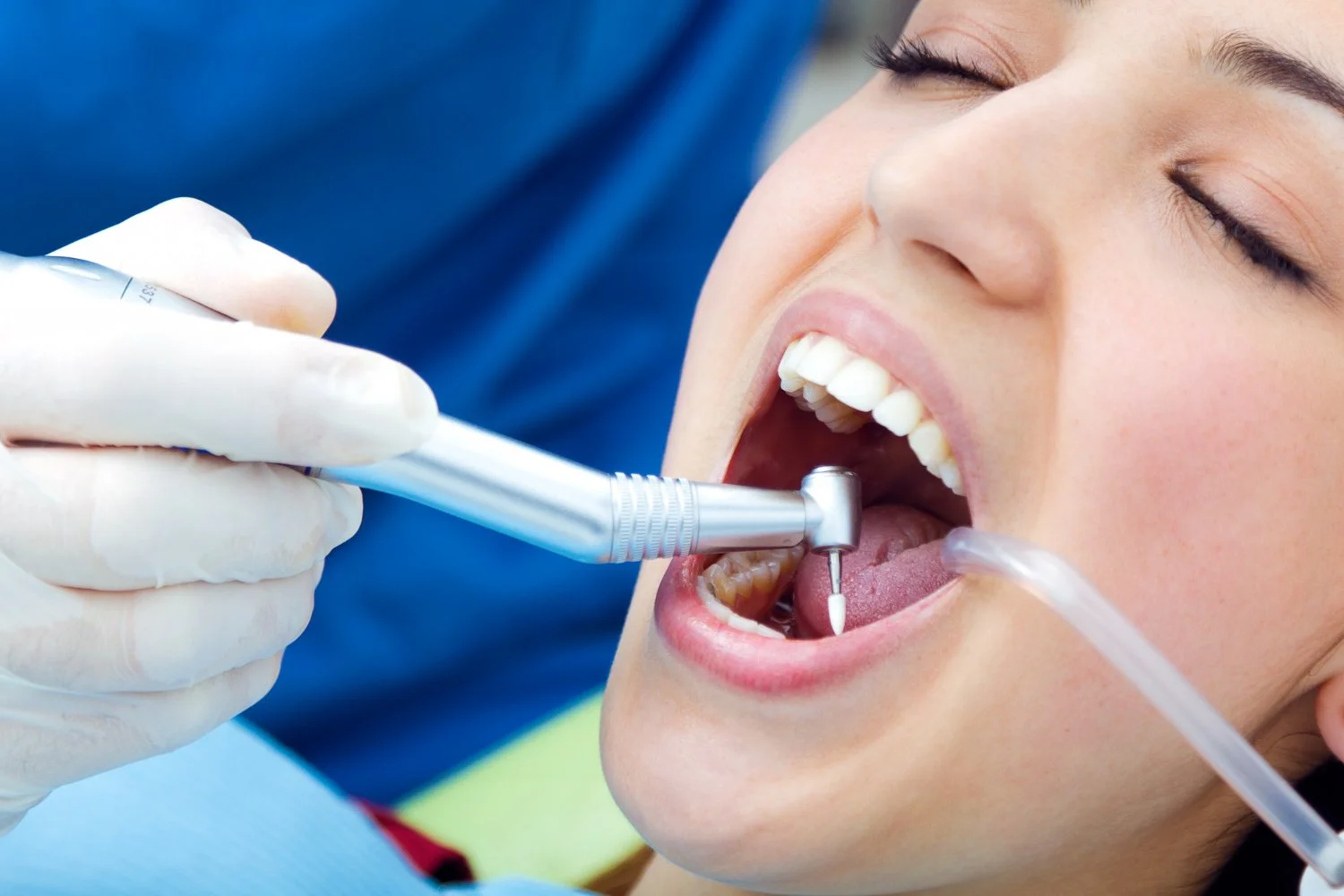
Healthy gums usually fit tightly around the teeth, with a normal depth of 1 to 3 mm. When gum depth becomes 5 mm or deeper, gum pockets form where bacteria can collect deep under the gums, making cleaning difficult and increasing infection risk.
Bleeding and Swelling
Gums that are red, swollen, or bleed easily may indicate ongoing gum disease. If left untreated, this condition can persist even after routine cleanings and may gradually worsen over time.
Bone Loss
CBCT 3D imaging can detect bone loss around tooth roots. If the jawbone begins to shrink, it can weaken tooth support. In some cases, surgical treatment may be required to prevent further damage and help preserve or restore bone.
Severe Gum Recession
Gum recession occurs when the gums pull away from the teeth, exposing the root surface. This can lead to sensitivity, root decay, and, in advanced cases, tooth mobility or tooth loss.
Periodontal Surgery Types We Perform
We perform different gum surgery procedures depending on the condition of your gums and bone. The treatment depends on your diagnosis and the amount of damage present.
Surgical Experience: What to Expect
Your comfort during the procedure is important to us. Before the surgery starts, we make the area fully numb using local anesthesia.
During the Procedure
During the procedure, you should not feel sharp pain, but you may still notice normal physical sensations.
Pressure
You may feel gentle pressure while the dentist works around the teeth and jawbone.
Vibrations and Water Spray
Dental instruments and ultrasonic cleaners may create light vibrations along with cooling water spray during the procedure.
Suturing
After treatment, stitches may be placed and you may feel a mild pulling or tugging sensation.
Protecting the Site
A periodontal dressing may be placed over the area to protect healing gums from food irritation and tongue movement during early healing.

Healing and Aftercare Protocol
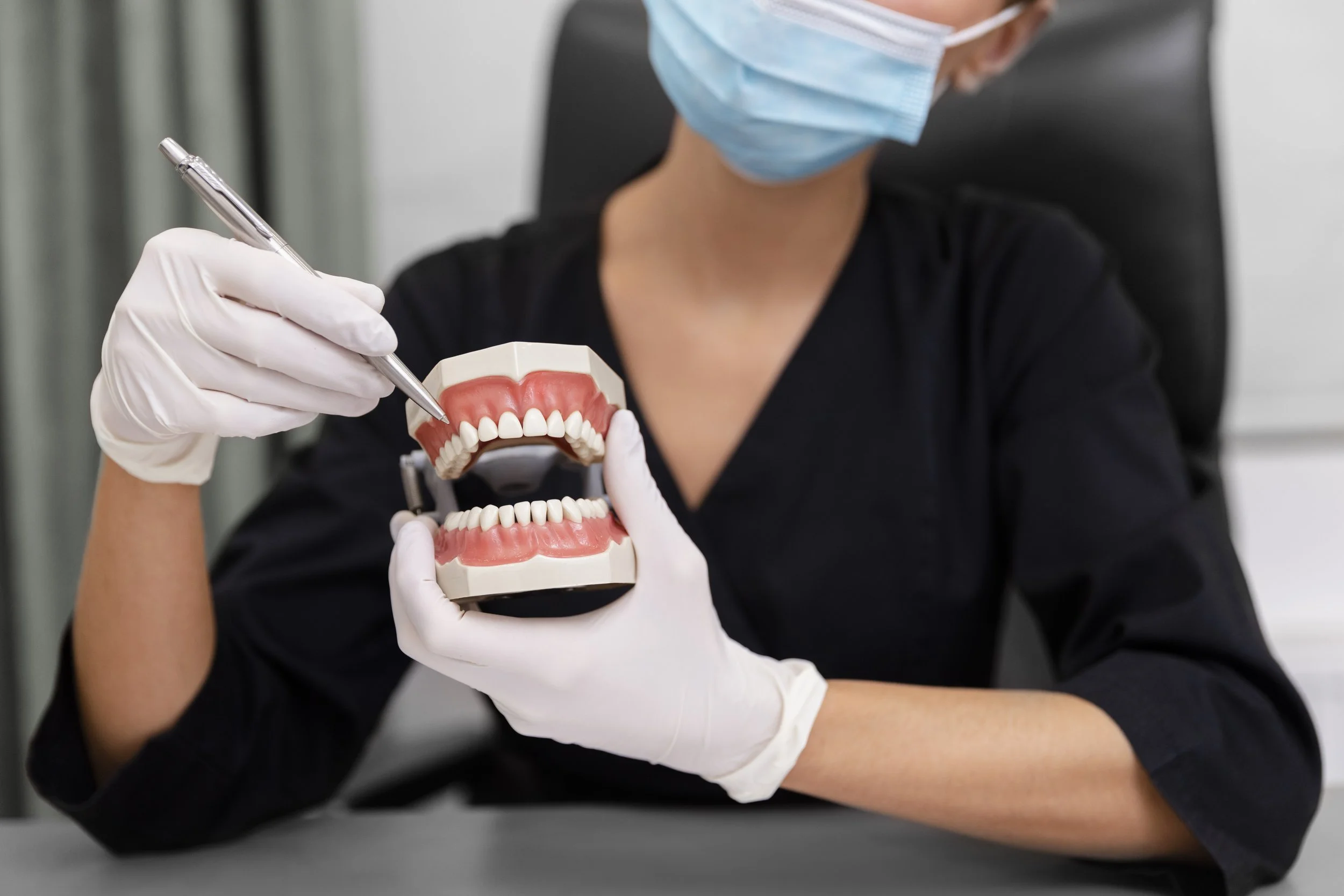
Following the aftercare instructions is very important after gum surgery. Healing depends a lot on how well the area is protected during the first days.
The First 24 Hours
Do not spit hard, Do not rinse strongly, Do not drink through a straw. The sucking movement can disturb the blood clot and slow healing.
Diet Modifications
Soft foods are recommended during the first few days. Foods like yogurt, soft eggs, mashed foods, and smooth soups are easier to eat. Try to avoid hot, spicy, crunchy, or hard foods because they may irritate the stitches or healing tissue.
Gentle Homecare
Do not brush or floss directly around the surgery area unless our team tells you to do so. The rest of the mouth can still be cleaned normally. Warm salt water rinse may also be recommended to help keep the area clean.
Frequently Asked Questions
-
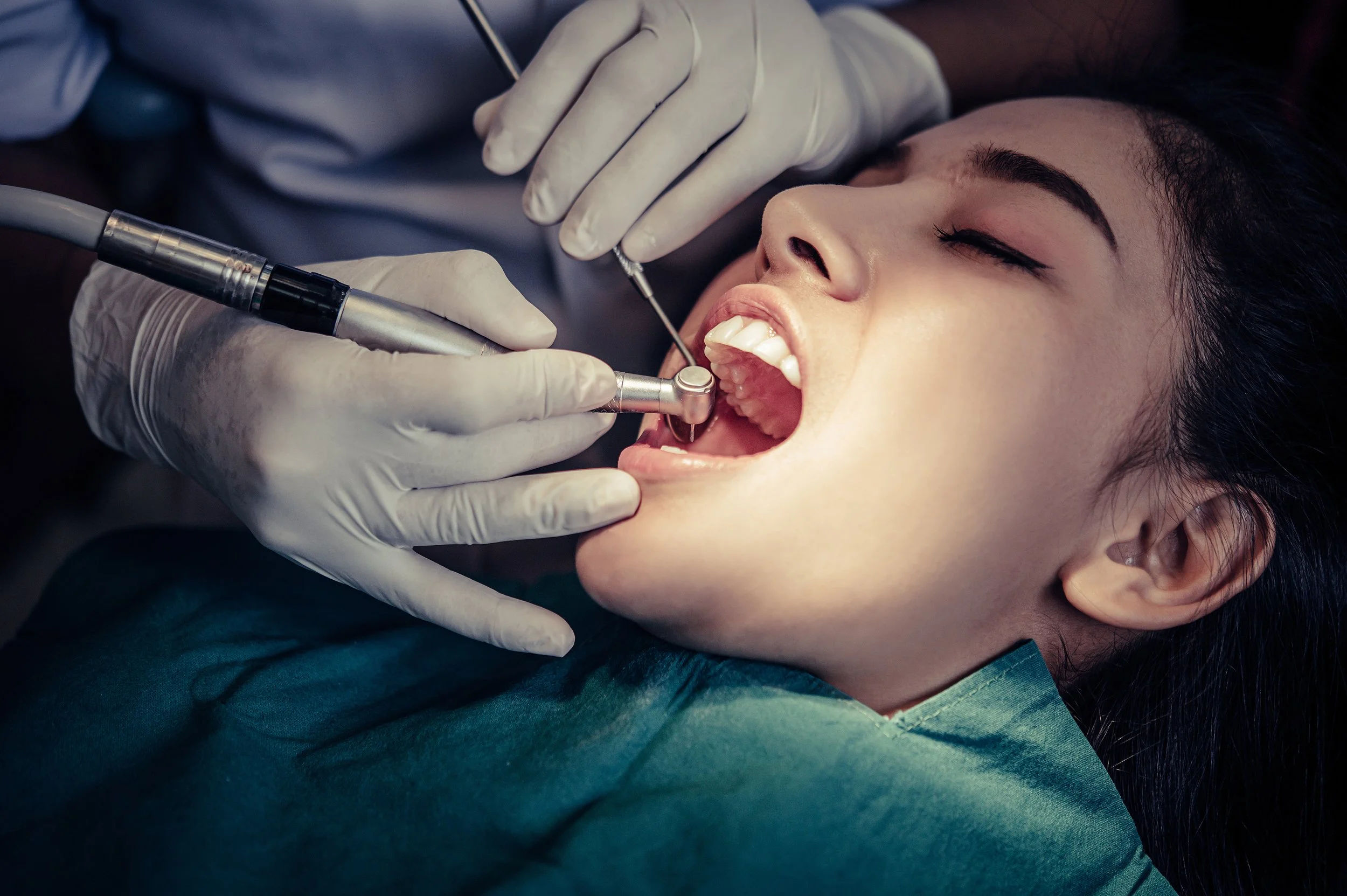
No. Local anesthesia ensures the procedure is painless. Any post-operative soreness or minor swelling over the next few days can be easily managed with standard over-the-counter pain medicine.
-
Initial gum surface healing takes about 7 to 14 days, which is when sutures are typically removed. The deeper connective tissues and underlying bone continue to remodel and heal fully over three to six months.
-
Scaling and root planing is a non-surgical deep cleaning for mild to moderate gum disease. Gum surgery is a minor-surgical treatment required to access and treat advanced infections deep below the gumline and around the bone.
-
Untreated periodontal disease destroys the supporting bone, eventually causing teeth to loosen and fall out. It also leaves chronic bacterial infection in your mouth, which can negatively impact systemic health conditions like diabetes and heart disease.
Book an appointment.
Schedule your dental consultation with our experienced team today and take the first step towards optimal oral health. Our dedicated professionals are ready to provide you with personalized, quality care at your convenience.